
Plan Your Trip
Plan Your Trip
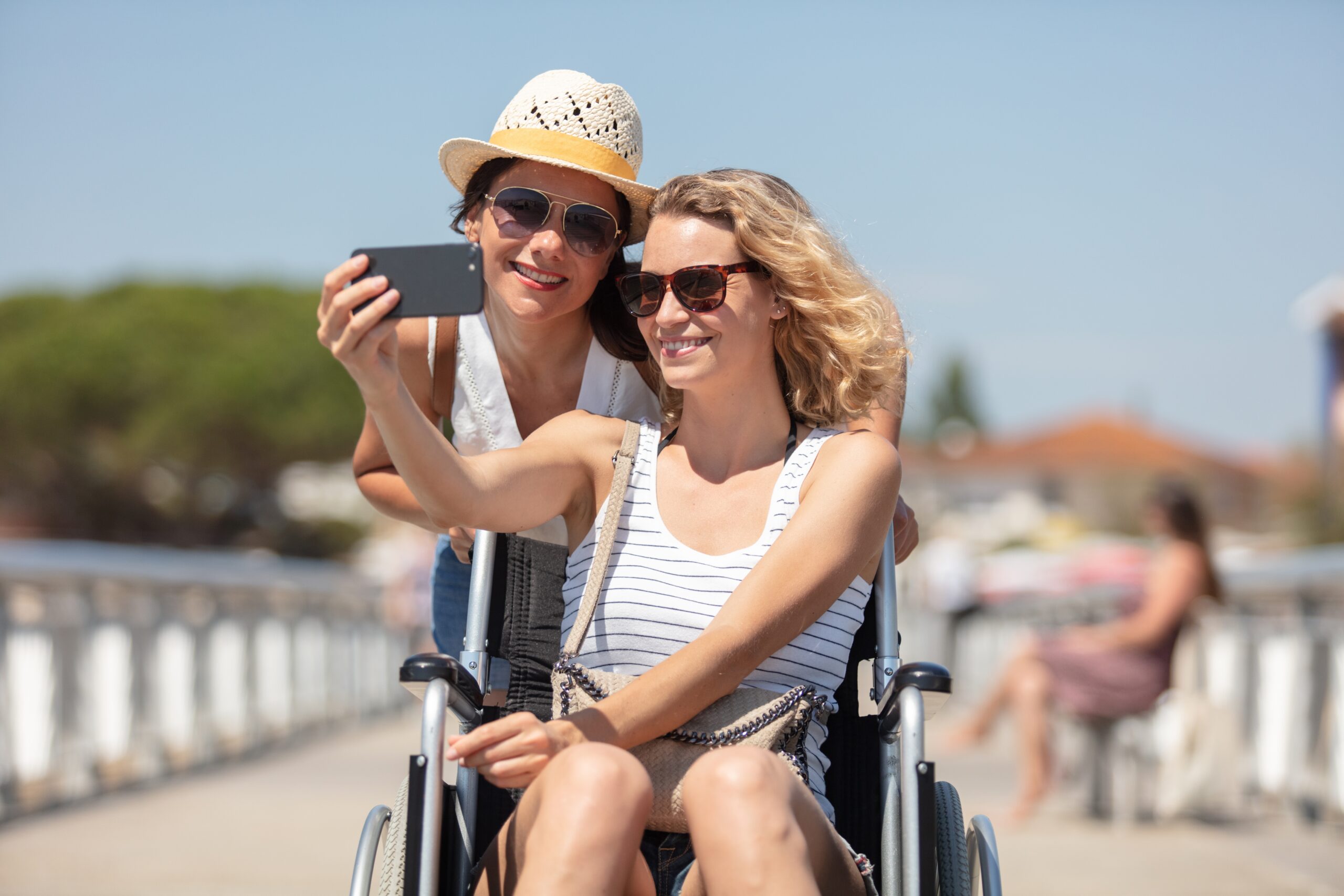
Hello and welcome to Accessibletravelling.com
Welcome to Accessibletravelling.com
Hi, I’m Jane — and I created Accessible Travelling because I believe travel should never feel impossible just because you’re disabled.
After experiencing first-hand how overwhelming travel can be when you have mobility challenges, invisible disabilities, or complex health needs, I realised something important…
The world isn’t always inaccessible — it’s often just poorly explained.
That’s why this platform exists.
Accessible Travelling is here to give you clear information, honest advice, practical checklists, and real-world guidance so you can travel with confidence — not anxiety.
Whether you use a wheelchair, live with chronic illness, travel with an assistance animal, or simply need more support than the average travel website provides — you are welcome here.
Here you’ll find:
- Honest accessibility breakdowns
- Travel rights guidance
- Packing lists tailored to real conditions
- Cruise and airport accessibility insights
- Confidence-building resources
Travel should feel empowering — not exhausting and I’m here to help you make that happen.
“My goal is to become a trusted voice in accessible tourism and advocate for better standards worldwide.”
Assisted Travel Essentials
Airport to Airplane
Items for organizing yourself for smooth and stress-free travel:
Keep all your passports in a travel wallet.
When you arrive at the airport, go straight to the assistance desk. They will ask if you have any luggage to check in, and if you have, they will take you to the check-in area and check in your luggage, so you have help in doing this, you don’t have to struggle on your own. If there are only two people traveling, and one is in a wheelchair, there are disabled signs outside the airport with a phone. You can ask for assistance as soon as you get dropped off at the airport. Just explain to them on the phone that you are traveling with someone who is disabled, so please could you have some help with luggage. Try to explain as clearly as possible where you are, and they will come out and help you. They can also provide a wheelchair if needed.
After your luggage is checked in, they will guide you through the assisted passport control. DO NOT put any sharp items in your carry-on bag, such as manicure sets, scissors, grooming kits, sewing kits, or corkscrews, as these will be confiscated. Remember to put any makeup and perfumes in an airport-approved clear bag, placing it at the top of your carry-on so it’s easy to find. Be aware that liquid items over 100 ml are not allowed through. Once through passport control, some staff may ask if you would like to shop at Duty Free, buy water, etc. If they don’t ask, you can request a stop for shopping or a snack. They usually oblige, depending on how busy they are. However, I have encountered staff saying “Sorry, no time,” which can be very frustrating.
You will then normally be taken to the gate, and another member of staff will take you to the plane, depending on the assistance you booked. Obviously, not all airports work the same when providing assistance, but this gives you a rough idea of what to expect. If it’s possible, try to use the toilet before you get onto the flight, as the washroom cubicles are very small, as you probably already know.
Listed below are some items that may make your journey more comfortable and enjoyable:
- A stuff-able neck pillow. These are a great idea as you can fill it with maybe a change of clothes, or maybe an incontinence pad, travel-size flushable wet wipes, or a disposable toothbrush. The above are just ideas, and it depends on each individual.
- Earplugs help prevent ear pain and regulate pressure.
- If travelling with young children, you could also bring an inflatable aero plane bed/seat extender.
- Inflatable footrest or
- A foot hammock.
- Aero plane seat organizer. You can use this to keep any personal items that you may need for the journey, keeping everything organized and to hand. You may want to put your bottled water in it, snacks, iPad, etc.
• There is another option for a neck pillow. It’s called the ultimate travel neck pillow that gives good body support, especially when you’re sitting in the middle seat. It stops the body from slouching left or right or in front. - You could try downloading some of your favorite films or programs to watch on the journey, or maybe books suited to Kindle.
Carry-On Bag Essentials
Always pack your medication in your carry-on bag and not in your checked luggage, just in case it gets misplaced. When going on holiday, it’s always a good idea to pack a few extra days of medication just in case of any delays. Keep them in their original packaging and keep the Prescription from the doctor. This makes it easier if customs stop you and ask what they are.
A phone bank and cables in case your phone runs out of battery.
And anything that you think you might need for the journey.
Planning Your Trip
When planning holidays for disabled people in Europe, it is important to plan early, book accessible accommodations and transport, and inform providers of specific needs (wheelchairs, assistance) in advance; carry extra medication/supplies, research destination accessibility, use services like CAA (UK) or TSA (USA) for airport help, and consider specialist travel agents for smooth, stress-free trips. Always get comprehensive travel insurance and understand local accessibility standards, as they vary globally.
Before You Go
- Book Early and Research: Start planning months ahead, contacting hotels and airlines directly about ramps, roll-in showers, and specific needs.
- Medical Prep: See your doctor 4-6 weeks before travel for advice, prescriptions, and necessary vaccines; carry extra medication.
- Insurance and Documents: Get travel insurance covering medical emergencies and evacuation; have printed documents, medical info, and a Sunflower lanyard (for non-visible disabilities).
- Equipment: Bring spare parts (wheelchair tires, batteries) and adapters; research local electrical standards.
- Specialists: Consider using tour operators or companions specializing in accessible travel.
At the Airport
- Request Assistance: Book help in advance or use services like TSA Cares (US) for personalized security screening.
- Gate-Check Mobility Aids: Gate-check wheelchairs and scooters, keeping receipts and equipment info handy.
- Arrive Early: Allow extra time to navigate busy hubs and find quiet spaces if needed.
- Communication: For hearing impairments, bring extra batteries for devices and consider Video Relay Services (VRS).
During Your Trip
- Be Prepared for Differences: Accessibility varies; buildings might offer assistance like lifting oversteps, which requires asking questions.
- Stay Connected: Enroll in programs like STEP (USA) or RT (UK) to stay informed and for emergencies.
- Stay Flexible: Be open to new ways of doing things but also know your rights to equal access.
- Hydrate and Manage Routines: Plan bathroom breaks and manage hydration around travel times to avoid discomfort.
♿ Accessible Travel Support
Planning accessible travel can feel overwhelming — especially when every individual has different needs, requirements, and concerns.
That’s where I can help.
At AccessibleTravelling.com, I offer personalised support to help you find suitable travel options based on your specific accessibility needs — whether that’s mobility, fatigue, sensory sensitivities, or medical considerations.
🧭 What I Can Help With
I can assist you with:
- Finding accessible hotels tailored to your needs
- Identifying suitable destinations and locations
- Researching accessible tours and experiences
- Sourcing transport options, including airport transfers
- Recommending trusted providers such as specialist accessible travel platforms
- Helping you understand what to check before booking
All recommendations are carefully researched to help reduce uncertainty and give you greater confidence when planning your trip.
💡 How It Works
- You complete the short enquiry form below
- I review your requirements and accessibility needs
- I carry out personalised research
- You receive tailored recommendations and options
You can then choose to book directly with the providers that best suit your needs.
💷 Pricing
- £25 – Quick recommendations (1–2 options)
- £50 – Personalised travel suggestions (3–5 options)
- £75–£100 – More detailed research or multi-part trips
(Prices may vary depending on complexity — this will always be confirmed in advance.)
⚠️ Important Information
I provide research and recommendations only.
All bookings are made directly with the travel provider.
Accessibility can vary between destinations, accommodation, and services. Travellers should always confirm specific requirements directly with providers before booking.
✨ Why Use This Service?
- Save hours of research
- Reduce uncertainty and stress
- Get options tailored to your exact needs
- Access trusted platforms and providers
- Travel with more confidence
📩 Get Started
Complete the form below and I’ll get back to you as soon as possible.
🌊 Coral Reef Sunscreen
Coral reef sunscreen is a mineral-based sunscreen that avoids chemicals harmful to marine life, especially coral, by using non-nano zinc oxide or titanium dioxide to physically block UV rays instead of absorbing them. It’s designed to prevent coral bleaching and damage, often by excluding ingredients like oxybenzone, octinoxate, and octocrylene, and is labeled “reef-safe” or “reef-friendly,” though definitions vary.
🔑 Key Characteristics
- Mineral Actives: Contains non-nano zinc oxide and/or titanium dioxide, which sit on the skin to reflect UV rays.
- No Harmful Chemicals: Free from oxybenzone, octinoxate, octocrylene, parabens, and triclosan, which harm coral reproduction and health.
- Non-Nano: Particles are large enough (over 100 nanometers) to not be ingested or cause cellular damage to marine organisms, unlike nano-sized minerals.
- Biodegradable: Formulated with natural, biodegradable ingredients.
📚 Why It’s Important
- Coral Bleaching: Chemicals in traditional sunscreens can cause coral bleaching, making reefs vulnerable to disease and death.
- Marine Ecosystems: Protects biodiversity in coral reefs and other aquatic environments.
🏖️ How to Identify Reef-Safe Sunscreen
- Check Active Ingredients: Look for zinc oxide or titanium dioxide (non-nano).
- Avoid the “HEL List”: Steer clear of oxybenzone, octinoxate, octocrylene, PABA, and triclosan.
- Look for “Non-Nano”: Ensures mineral particles are large enough to be safe.
⚠️ Important Note:
Reef-safe sunscreen (non-nano zinc oxide/titanium dioxide) is required or strongly recommended in tropical coastal areas with coral reefs, particularly in regions with bans like Hawaii, Palau, Aruba, Bonaire, US Virgin Islands, and parts of Mexico and Thailand. These restrictions apply wherever tourists snorkel or dive to prevent chemical-induced coral bleaching.
Key Locations Requiring Reef-Safe Sunscreen
- Hawaii: Statewide ban on selling sunscreens containing oxybenzone and octinoxate.
- Palau: Strict ban on reef-toxic sunscreens, enforced at entry.
- Caribbean (Aruba, Bonaire, USVI): Several islands have banned chemicals like oxybenzone, octinoxate, and octocrylene to protect marine ecosystems.
- Mexico: Many eco-parks (e.g., Xcaret) and marine protected areas in the Riviera Maya strictly require biodegradable, mineral-only sunscreen.
- Thailand: Specific marine national parks (e.g., Phi Phi Islands) have prohibited sunscreens containing prohibited chemicals.
- General Rule: Use mineral-based, reef-safe sunscreen in any location known for coral reefs, including the Great Barrier Reef (Australia), the Red Sea, and the Maldives.
Note: Even if a location does not have a formal ban, using reef-safe sunscreen is recommended globally to minimize the 8,000–16,000 tons of sunscreen entering marine ecosystems annually.
Best Airlines for Disabled Travellers
United States of America
For most disabled travellers in the U.S., Delta is the strongest overall pick right now. There isn’t any airline that is perfect, but in the latest U.S. Department of Transportation Air Travel Consumer Report I found, Delta had the lowest mishandled wheelchair/scooter rate among the major U.S. carriers in the table: 0.45 per 100 enplaned for Delta itself, compared with United 1.04, Southwest 1.24, American 1.33, Alaska 1.45, and JetBlue 1.57.
Delta also has a fairly developed accessibility program on paper, with dedicated accessible-travel pages covering wheelchair service, personal mobility devices, and assistance before boarding, in flight, and on arrival. That does not guarantee a perfect airport experience every time, but it is a good sign that the processes are established and easy to find.
United Kingdom
Best overall UK airline for disabled travellers: British Airways
BA has the strongest all-round accessibility offering on paper for UK carriers, including support for mobility assistance, non-visible disabilities, D/deaf and hard of hearing passengers, blind and low-vision passengers, intellectual or developmental disabilities, autism support content, onboard wheelchairs on all BA-operated flights, and cabin carriage of assistance dogs free of charge. It also runs the Heathrow-linked Flight Ready Programme – Autism, which is a genuinely strong sign of structured support rather than just a generic assistance page.
Virgin Atlantic are a remarkably close second.
For short-haul and European leisure travel, I would say easyJet and Jet2 are also very solid choices. easyJet has a dedicated special assistance system, recognises the Hidden Disabilities Sunflower, and says its advisory work has led to measures such as on-board wheelchairs and more accessible toilets on aircraft.
Jet2 is also a strong practical option, especially for leisure routes. It lets passengers add assisted travel during booking or through Manage My Booking, says its staff receive training on hidden disabilities, and publishes a detailed assisted travel guide.
A practical ranking would be:
- British Airways:
best overall, especially for full-service support and more developed accessibility structure. - Virgin Atlantic:
Features a strong special assistance program covering both airport and on-plane help, including assistance if booking through their holiday packages. - EasyJet :
very good for short-haul, especially hidden-disability recognition and practical accessibility systems. - Jet2:
Very good leisure airline choice, especially for straightforward assisted-travel booking and disability-awareness support.
Very good leisure airline choice, especially for straightforward assisted-travel booking and disability-awareness support.
EUROPE
There is no single official Europe-wide ranking that clearly says which airline is best for disabled travellers. Under EU rules, disabled passengers and passengers with reduced mobility are entitled to free assistance at airports and on board, and airlines generally cannot refuse a booking or boarding because of disability except for limited safety or aircraft-design reasons. That means your experience in Europe is often shaped by both the airline and the airport assistance provider.
That said, based on the strength of their published accessibility support, I would put these among the best overall European choices:
-
- Lufthansa
Lufthansa looks especially strong overall because it has detailed accessibility support for wheelchair users and for passengers with sensory or cognitive impairments, and it says passengers can take up to two mobility aids free of charge. Lufthansa Group also announced an Accessibility Customer Advisory Committee and said group-wide participation in the Hidden Disabilities Sunflower Initiative is planned through 2026, which is a good sign of structured investment rather than just basic compliance. - KLM
KLM is one of the better picks for travelers with hidden disabilities as well as mobility needs. Its assistance pages specifically mention the Sunflower lanyard, and its accessibility plan says KLM staff and cabin crew are trained to recognise and support customers with hidden disabilities. It also carries wheelchairs free of charge, subject to aircraft limits, though it notes that some flights can carry only a limited number of wheelchairs. - Air France
Air France stands out because of its dedicated SAPHIR service for passengers with disabilities. It also states that a passenger with a disability will be seated with their companion no later than the day of departure, and it provides free transport of wheelchairs and other special equipment. That dedicated program makes Air France one of the more disability-focused major European airlines on paper. - Iberia
Iberia is another strong practical option, especially for Spain and wider Europe. It publishes clear accessibility guidance, says assistance can be requested for physical, cognitive, or sensory needs, and states that its aircraft have features such as folding-armrest seats, on-board wheelchairs on all Iberia aircraft, and accessible toilets on long-haul flights.Best overall in continental Europe: LufthansaBest for hidden disabilities: KLM
Best for dedicated disability support service: Air France
Best strong Southern Europe option: Iberia
- Lufthansa
Middle East
best overall pick is Emirates. Its official accessibility hub is one of the strongest and most detailed I found, covering wheelchair and mobility-aid support, priority boarding, hidden disabilities, and airport-journey guidance. Emirates says it can arrange a wheelchair at every airport, recommends advance notice, supports the Hidden Disabilities Sunflower at participating airports, and gives priority boarding to passengers who have arranged assistance or use mobility aids.
Etihad is also very strong, but just behind Emirates overall. Etihad says wheelchair and mobility assistance is free on all its flights, your own wheelchair or mobility device can be carried free of charge, and every Etihad aircraft has an onboard wheelchair. Its accessibility materials also mention sighted guides, assistive-device delivery at aircraft, and support for blind, visually impaired, deaf, and hard-of-hearing passengers.
Qatar Airways is another very strong option. It publishes a detailed disability and medical assistance page, says special services can be requested through Manage Booking, and lists wheelchair assistance, stowage of assistive devices, escort services for visually impaired passengers, and seat or meal-related support. Its trade guidance also states that wheelchairs owned by passengers are carried free of charge and that wide-body aircraft carry a special onboard wheelchair.
- Emirates — best overall, especially for hidden disabilities and a clearly structured accessibility journey.
- Etihad — excellent for wheelchair users and very strong onboard support.
- Qatar Airways — very strong for long-haul support and assistive-device policies.
Saudia does offer special assistance and says mobility aids like wheelchairs and crutches can be carried free of charge, but based on what I found, its public accessibility information is not as detailed or reassuring as Emirates, Etihad, or Qatar.
One important point: in the Middle East too, the airport and hub experience matters a lot, especially if you are connecting. Dubai and Abu Dhabi are particularly strong in terms of structured assistance information, while Emirates also highlights sunflower routes and priority handling at parts of the airport journey where supported.
And for wheelchair users specifically, battery rules still matter whatever airline you choose. IATA’s current guidance notes that battery-powered wheelchairs and mobility aids are treated as dangerous goods for air transport and may require specific preparation and approval steps, so checking the airline’s mobility-aid rules before travel is essential.
Best Middle East airline for disabled travellers overall: Emirates
Best close alternatives: Etihad and Qatar Airways
For the Far East,
the best overall pick is Singapore Airlines. Its official special-assistance pages are strong and clear: it offers disability assistance, wheelchair support from check-in to boarding and from disembarkation to the arrival hall, and specific guidance for mobility aids, including battery-powered wheelchairs that need airline approval.
Very close behind, is ANA and Cathay Pacific. ANA has one of the most structured disability-support system possibly found, including a dedicated Disability Desk, airport wheelchairs, help from seat to arrival lobby, and detailed seat/support-device information for passengers who need extra physical support. Cathay Pacific also looks very strong on paper, with assistance to and from seats, use of the inflight wheelchair, and airport wheelchair attendants for passengers who need mobility support.
Far East ranking would be:
- Singapore Airlines
- ANA
- Cathay Pacific
“Singapore Airlines is possibly the best all-round Far East airline for disabled travellers, with ANA and Cathay Pacific also among the strongest choices.” That is based mainly on the strength and clarity of their published disability support rather than on a single region-wide official ranking, because there is no Europe-style or U.S.-style public league table I can rely on for all of Asia.
For Australia, the best overall pick is Qantas. Qantas has detailed mobility-assistance guidance, online request forms, hidden-disability support information, and a formal Disability Access Facilitation Plan plus a broader Access and Inclusion Plan 2023–2026. Its public material is more developed than most competitors I checked, especially for wheelchair users and hidden disabilities.
Second choice in Australia would be Virgin Australia. Virgin has a solid special-assistance section, mobility-assistance guidance, hidden-disability assistance, a request form, and states that wheelchairs and mobility aids are carried free of charge when needed for personal use by a booked passenger. It also launched an accessibility-focused “Try Before You Fly” program with Adelaide Airport in 2025, which is a genuinely positive sign.
Jetstar is more of a budget-option pick rather than my top recommendation, but it does publicly state that it can assist passengers with reduced mobility, deaf or hard-of-hearing passengers, blind or low-vision passengers, hidden disabilities on Jetstar Airways flights, service dogs, assistive devices, and travel oxygen. Its Disability Access Facilitation Plan also references hidden disability recognition, though it still feels less comprehensive overall than Qantas or Virgin Australia.
- Qantas
- Virgin Australia
- Jetstar
Far East
best overall: Singapore Airlines
Best alternatives: ANA and Cathay Pacific
Australia best overall: Qantas
Best alternative: Virgin Australia
One important caution across both regions: even when the airline is excellent on paper, your real experience can still depend heavily on the airport, the ground handler, and whether you gave enough notice for mobility aids or special assistance. Several of these airlines specifically recommend advance notice of at least 48 hours, and battery-powered wheelchairs often need extra approval steps.
Flying With a Disability – What You Need to Know
Flying with a disability is protected by law in many countries — and you are entitled to assistance. The key is planning ahead and knowing your rights.
🧾 1️⃣ Your Legal Rights
GB & EU (UK & Europe)
Protected under UK Equality Act & EU Regulation EC 1107/2006:
- Free airport assistance
- Help boarding and disembarking
- Help with connections
- Mobility equipment carried free of charge
- Protection against refusal to board (unless safety risk)
US United States
Protected under the Air Carrier Access Act (ACAA):
- Airlines cannot discriminate
- Assistance must be provided
- Wheelchairs and assistive devices fly free
- You can request a Complaints Resolution Official (CRO) if issues arise
If you’re building global content, it’s powerful to explain that rights vary slightly by country — but assistance is generally protected in major regions.
📅 2️⃣ When to Notify the Airline
Notify the airline:
- At booking if possible
- At least 48 hours before departure
Request:
- Wheelchair assistance (WCHR, WCHS, WCHC codes). Please see full list of categories
- Assistance through security
- Boarding support
- Seating adjustments
- Medical equipment approval
Never assume they “just know.” Always confirm.
♿ 3️⃣ Mobility Equipment Rules
- Wheelchairs & mobility aids travel free
- Battery types matter (especially lithium batteries)
- Inform airline about battery type and watt hours
- Take photos of equipment before check-in
- Remove detachable cushions & joysticks if possible
- Label equipment clearly with your details
Power chairs require more paperwork — always double check.
💊 4️⃣ Medication & Medical Devices
- Medication goes in hand luggage
- No liquid limit for essential medical liquids (but declare them)
Bring doctor’s letter for:- Syringes
- Oxygen
- CPAP machines
- Controlled medication
- Carry double supplies if possible
Never put essential medication in checked luggage.
🧠 5️⃣ Invisible Disabilities
Airports are increasingly recognising hidden disabilities.
You can:
- Request assistance for anxiety, autism, chronic pain, PTSD
- Ask for quiet spaces (some airports provide them)
- Use sunflower lanyard schemes (where available)
- Request pre-boarding to reduce stress
You do not have to “prove” your disability at check-in, but medical documentation can help in some cases.
🪑 6️⃣ Seating & Onboard Access
Important realities:
- Standard aircraft toilets are not wheelchair accessible
- Onboard aisle chairs are available on larger aircraft
- You may not be able to sit in exit rows
- Some airlines restrict certain seating based on assistance needs
Always confirm seating layout in advance.
🚨 7️⃣ If Something Goes Wrong
If:
- Equipment is damaged
- Assistance fails to arrive
- You are denied boarding unfairly
Ask for:
- Complaints Resolution Official (US)
- Airport Duty Manager (UK/EU)
- Written report before leaving airport
- Photos of damage immediately
Airlines are legally responsible for mobility aid damage — but claims must be filed quickly.
🧳 8️⃣ Smart Flying Tips
✔️ Arrive early
✔️ Reconfirm assistance 48 hours before
✔️ Keep medication in carry-on
✔️ Hydrate
✔️ Pace yourself
✔️ Carry insurance covering equipment
💙 Reality Check
Flying with a disability requires extra planning — and that’s not fair — but it is absolutely possible with preparation.
The more you understand your rights, the more confident you’ll feel.
What to do if you lose your medication abroad
If you lose medication abroad, immediately contact your GP for a digital prescription, visit a local pharmacy, or seek emergency care at a local hospital. Contact your travel insurance provider for assistance, carry original packaging and prescriptions in your hand luggage, and contact the local embassy if necessary.
Immediate Actions:
- Visit a Pharmacy: Local pharmacists can often provide small, emergency supplies of regular medication if confident of the dosage.
- Contact Your GP: Ask your doctor to send a copy of your prescription via email.
- Seek Local Care: Go to a local clinic or hospital to get a new prescription, especially for critical medication.
- Contact Travel Insurance/Tour Rep: They can help locate nearby doctors or pharmacies.
Essential Preparation to Prevent Issues:
- Carry in Hand Luggage: Never pack essential medication in checked luggage to avoid loss.
- Original Packaging: Keep medicine in original containers labeled with your name, dosage, and generic/brand names.
- Bring Documentation: Carry a doctor’s note with a list of medications and dosages.
- Keep Digital Copies: Store photos of your prescriptions in your email or phone.
Notes on Specific Scenarios:
- Different Brand Names: Medication names differ by country; know the generic name.
- Controlled Substances: If you lose controlled medication, contact the local embassy or consulate immediately for guidance.
- Emergency Assistance: If you need help finding a doctor, your Cover-More emergency assistance team or similar insurer can help arrange virtual or in-person appointments.
Accessible Beach Holiday Checklist
Planning an accessible beach holiday takes more than choosing a sunny destination. Beaches, hotels, transport, and local facilities can vary hugely, so checking the details before you travel can make the whole experience safer, easier, and more enjoyable.
Before You Book
Destination checks
- Check whether the destination is known for accessible tourism
- Research whether beaches have accessible pathways, boardwalks, or beach mats
- Check if the area offers accessible public toilets
- Find out whether there are beach wheelchairs available
- Check how far the hotel is from the beach
- Make sure nearby restaurants, shops, and promenades are accessible
- Research whether pavements are smooth, level, and usable with mobility aids
- Check the weather and heat levels, especially if you have a condition affected by heat
Accommodation checks
- Confirm the room is truly accessible, not just labelled accessible
- Ask for exact door widths
- Confirm whether the bathroom has a true roll-in shower
- Ask whether there is a fixed shower seat and well-positioned grab rails
- Check the bed height for transfers
- Ask whether there is enough turning space for a wheelchair
- Confirm there is step-free access throughout the property
- Check whether the pool has a pool lift, ramp, or sloped entry
- Ask for photos of the room, bathroom, entrance, and paths to the beach
- Request all important accessibility details in writing
Transport checks
- Book any airport assistance early if needed
- Confirm whether transfers are wheelchair accessible
- Check whether the vehicle can take a manual wheelchair, powerchair, or scooter
- Confirm how mobility equipment will be transported
- Check whether local taxis are accessible
- Research whether public transport to the beach is accessible
Essential Items to Pack
Mobility and accessibility items
- Wheelchair, powerchair, scooter, or walking aid
- Charger and charging cable
- Travel adaptor
- Spare battery details if relevant
- Tyre pump or basic repair kit if appropriate
- Cushion or pressure relief cushion
- Lap strap or positioning support if used
- Portable ramp if helpful
- Waterproof cover for mobility equipment
- Small brush or cloth to remove sand
Beach comfort items
- Lightweight beach mat or seating support
- Foldable shade or umbrella if suitable
- Hat with good sun protection
- Sunglasses
- Cooling towel
- Extra towels
- Swimwear that works for your needs
- Beach shoes or water shoes
- Dry bag for valuables and medical items
- Refillable water bottle
Medical and personal care items
- Prescription medication
- A full supply of essential medication plus extra in case of delays
- Copies of prescriptions
- Pain relief if normally used
- First aid kit
- Sunscreen suitable for sensitive skin
- After-sun lotion
- Hand sanitiser
- Wet wipes
- Continence supplies if needed
- Stoma supplies if needed
- Catheters or medical consumables if needed
- Any skin protection products you rely on
Important documents
- Passport or ID
- Travel insurance documents
- Medical summary if needed
- Emergency contacts
- Accessibility confirmations from hotel or provider
- Assistance booking confirmations
- Equipment hire confirmations if relevant
Questions to Ask Before Booking an Accessible Beach Holiday
- Is the beach reachable by a step-free route?
- Is there a boardwalk, matting, or firm pathway on the beach?
- Are beach wheelchairs available?
- Do I need to reserve accessible beach equipment in advance?
- Are there accessible toilets near the beach?
- Are there accessible changing facilities?
- Is there shaded seating nearby?
- Are there ramps to beach bars, cafés, or facilities?
- Is the beach area staffed if help is needed?
- Is there accessible parking close to the beach entrance?
- Are there lifeguards, and can they assist disabled visitors if needed?
- Are there quieter areas for travellers who need less noise or sensory stimulation?
Safety and Practical Tips
- Do not rely on the word accessible alone
- Ask for measurements, photos, and written confirmation
- Check how close medical help is to the beach area
- Avoid travelling in the hottest part of the day if heat affects your condition
- Protect mobility equipment from sand, salt, and water
- Keep medication out of direct sun
- Stay hydrated
- Build in rest time
- Have a backup plan in case the beach is less accessible than expected
Day-of-Beach Checklist
Before leaving for the beach, make sure you have:
- Medication
- Water
- Sunscreen
- Hat
- Phone
- Charger or power bank
- Mobility aid essentials
- Towel
- Swimwear
- Beach shoes
- Any continence or medical supplies
- Snacks
- Accessibility equipment booking details if applicable
Important Note:
Reef-safe sunscreen (non-nano zinc oxide/titanium dioxide) is required or strongly recommended in tropical coastal areas with coral reefs, particularly in regions with bans like Hawaii, Palau, Aruba, Bonaire, US Virgin Islands, and parts of Mexico and Thailand. These restrictions apply wherever tourists snorkel or dive to prevent chemical-induced coral bleaching.
Key Locations Requiring Reef-Safe Sunscreen
- Hawaii: Statewide ban on selling sunscreens containing oxybenzone and octinoxate.
- Palau: Strict ban on reef-toxic sunscreens, enforced at entry.
- Caribbean (Aruba, Bonaire, USVI): Several islands have banned chemicals like oxybenzone, octinoxate, and octocrylene to protect marine ecosystems.
- Mexico: Many eco-parks (e.g., Xcaret) and marine protected areas in the Riviera Maya strictly require biodegradable, mineral-only sunscreen.
- Thailand: Specific marine national parks (e.g., Phi Phi Islands) have prohibited sunscreens containing prohibited chemicals.
- General Rule: Use mineral-based, reef-safe sunscreen in any location known for coral reefs, including the Great Barrier Reef (Australia), the Red Sea, and the Maldives.
Note: Even if a location does not have a formal ban, using reef-safe sunscreen is recommended globally to minimize the 8,000–16,000 tons of sunscreen entering marine ecosystems annually.
Key Reminder
An accessible beach holiday is not just about finding a hotel near the sea. It is about making sure you can actually reach the beach, use the facilities, stay safe, and enjoy the experience comfortably.
The best accessible beach holidays happen when you ask detailed questions before you travel. A little extra planning can make the difference between a stressful trip and a relaxing one.
Essential Beach Holiday Items
Essential Mobility & Comfort Items
- Beach wheelchair → Beach Wheelchair Options
- Portable beach mat → Portable Sand Mats
- Lightweight folding chair → Lightweight Folding Beach Chairs
- Cooling towel → Cooling Towels
- Travel neck fan → Portable Neck Fans
Sun Protection & Safety
- SPF 50 sunscreen → SPF 50 Sunscreen
- UV protective umbrella → UV Beach Umbrellas
- UV protective clothing → UV Protection Clothing
- Waterproof phone pouch → Waterproof Phone Pouches
- Insulated water bottle → Insulated Water Bottles
Accessibility & Medical Support
- Waterproof medication bag → Waterproof Medication Bags
- Travel pill organiser → Travel Pill Organisers
- Portable wheelchair cushion → Wheelchair Cushions
- Grabber/reaching tool → Reaching Tools & Grabbers
- Portable shade tent → Portable Beach Shade Tents
Beach Day Organisation
- Waterproof dry bag → Waterproof Dry Bags
- Packing cubes → Packing Cubes
- Portable power bank → Portable Power Banks
- Wet wipes & hygiene kit → Travel Hygiene Kits
- Lightweight beach trolley → Beach Trolleys & Wagons
Affiliate Disclosure:
This page contains affiliate links. I may earn a small commission at no extra cost to you. This helps me continue providing free accessible travel information and resources.
First Holiday After Becoming Disabled
Essential Planning List
1. Start With Your Energy, Not the Destination
- Be honest about your current physical limits
- Consider fatigue levels, pain levels, stamina
- Plan rest days into your trip
- Choose shorter travel times where possible
- Avoid over-packed itineraries
This trip is about rebuilding confidence — not proving anything.
2. Medical & Practical Preparation
- Speak to your GP or specialist before travelling
- Request a fit-to-fly letter if needed
- Check medication supply (bring extra)
- Carry medication in original packaging
- Pack a basic first aid kit
- Bring copies of prescriptions
If flying in Europe/UK → check your rights under:
- UK Equality Act 2010
- EU Regulation 1107/2006
3. Airport & Transport Support
- Pre-book airport assistance (48 hours before flight minimum)
- Confirm wheelchair assistance in writing
- Check mobility equipment rules with airline
- Allow extra time
- Consider aisle seat / extra legroom
- Arrange accessible transfers at destination
3a. Choosing Your Airplane Seat Wisely
Choosing the right airplane seat can make a major difference to your comfort, especially on long-haul flights or when travelling with mobility issues, chronic pain, fatigue, Crohn’s disease, or fibromyalgia. While preferences vary, some seats are generally considered more comfortable and practical depending on your needs.
Window Seat
A window seat is often preferred by travellers who want:
- More privacy
- Better sleep support
- Fewer interruptions
- Scenic views
The side wall can make resting easier on overnight flights, but window seats can be less practical if you need frequent toilet access or regular stretching.
Aisle Seat
An aisle seat is commonly recommended for travellers who:
- Need regular movement
- Experience stiffness or pain
- Require easier bathroom access
- Have digestive or bladder conditions
Aisle seats allow you to stand up more easily during the flight, which can help with circulation and comfort on longer journeys. The downside is that you may experience more interruptions from passing passengers or service carts.
Best Areas of the Aircraft
Over the Wings
Seats over the wings are often considered the most stable part of the aircraft during turbulence because they are close to the plane’s centre of gravity. This area may suit nervous flyers or those prone to motion sickness.
Front of the Plane
The front section of the aircraft is often quieter and allows quicker boarding and deplaning. On some airlines, passengers seated nearer the front may also receive meal service earlier.
Rear of the Plane
The back of the aircraft may occasionally have more spare seats available on quieter flights, but this is never guaranteed. Rear sections can sometimes feel noisier due to proximity to toilets, galleys, and engine noise.
Exit Row Seats
Exit row seats usually provide additional legroom and can be more comfortable for taller travellers or those needing extra space to stretch.
However:
Not all exit row seats recline.
Bags cannot be stored at your feet during takeoff and landing.
Airlines usually require passengers in exit rows to assist during emergencies. Because of this, some disabled travellers or passengers with reduced mobility may not be permitted to sit in exit rows depending on airline safety rules.
Bulkhead Seats
Bulkhead seats are located directly behind cabin dividers or walls.
Potential advantages:
Easier access in and out of the row
Open space in front rather than another seat.
Possible disadvantages:
- No under-seat storage
- Fixed armrests on some aircraft
- Legroom can vary depending on aircraft layout.
Seats Many Travellers Prefer to Avoid
Some seats are commonly considered less comfortable, including:
- Seats directly beside toilets.
- Seats near galleys.
- Certain last rows with limited recline.
- No-window window seats on some aircraft.
These areas may experience more foot traffic, noise, or reduced comfort.
Tips for Disabled Travellers and Chronic Illness
Travellers with conditions such as Crohn’s disease, fibromyalgia, arthritis, fatigue, or mobility limitations may benefit from:
- Choosing an aisle seat near the toilet
- Booking extra legroom where possible
- Standing and stretching regularly on long flights
- Requesting airport or airline assistance in advance
- Checking aircraft seat maps before selecting seats
Helpful Seat Map Websites
These websites allow you to check aircraft layouts before flying:
https://seat.guru/browseairlines/browseairlines
https://seatmaps.com/
https://www.aerolopa.com/
They can help identify:
- Extra legroom seats
- Non-reclining rows
- Toilet proximity
- Galley locations
- Missing-window seats
Important Note
Aircraft layouts, seat spacing, and accessibility features vary between airlines and aircraft types. Always check your exact aircraft layout and contact the airline directly if you have specific accessibility or medical needs.
4. Accommodation Checklist
Do not assume “accessible” means suitable.
Email and ask:
- Is there step-free access throughout?
- Is there a roll-in shower?
- Are grab rails installed?
- Bed height?
- Door widths?
- Lift access?
- Emergency evacuation plan?
Ask for photos if possible.
5. Emotional Preparation (This Is Important)
Your first trip may trigger:
- Anxiety
- Frustration
- Grief for how travel used to be
- Fear of judgement
That is completely normal.
Allow yourself:
- Extra time
- Breaks
- Flexibility
- Support from a travel companion if needed
6. Smart Packing for Confidence
- Mobility aids (plus backup parts if possible)
- Portable cushion/supports
- Medication organiser
- Compression wear
- Electrolytes
- Snacks for blood sugar / fatigue
- Comfort items (heat pads, TENS, etc.)
- Medical summary card
Pack a full change of clothes in carry-on.
🌡 7. Research The Destination
- Pavement conditions
- Public transport accessibility
- Local hospital locations
- Accessible taxis
- Emergency numbers
- Climate (heat can worsen fatigue & pain)
💼 8. Insurance Is Non-Negotiable
- Declare ALL medical conditions
- Check mobility equipment cover
- Confirm repatriation coverage
- Check excess amounts
🤝 9. Consider Support Options
- Do you need a companion?
- Would a specialist accessible travel company help?
- Could you use companies like Wheel the World for added reassurance? Please add a link to the booking page for Wheel the World
🌟 10. Most Important: Adjust Your Definition of Success
A successful holiday after disability might mean:
- Leaving the hotel once a day
- Sitting by the sea
- Managing one excursion
- Simply getting there
That is success.
Essential Travel Mobility Aid Items on the Amazon Link Pages please visit
- Mobility aids → Mobility Aids for Travel
- Backup wheelchair parts → Wheelchair Spare Parts & Repairs
- Portable cushion/supports → Portable Support Cushions
- Medication organiser → Travel Medication Organisers
- Compression wear → Compression Wear for Travel
- Electrolytes → Travel Electrolyte Sachets
- Snacks for blood sugar / fatigue → Travel Energy Snacks
- Heat pads → Portable Heat Pads
- TENS machines → Portable TENS Machines
- Medical summary card → Medical Alert & Summary Cards
- Carry-on travel organisers → Carry-On Packing Organisers
Affiliate Disclosure:
This page contains affiliate links. I may earn a small commission at no extra cost to you. This helps me continue providing free accessible travel information and resources.
These items are general travel suggestions that some disabled travellers, wheelchair users, and people managing medical conditions may personally find helpful when travelling. Every traveller’s needs, condition, mobility level, and medical situation are different, so not every item will be suitable or necessary for everyone.
These recommendations are provided for informational and convenience purposes only and should not be considered medical advice, professional healthcare guidance, or a guarantee of suitability, safety, or effectiveness.
Travellers should always:
- Speak to their doctor, specialist, or healthcare provider where appropriate
- Check airline and destination regulations for medical equipment or medication
- Ensure any medical devices or products are suitable for their own individual needs
- Carry essential medication and important medical items in hand luggage where possible
AccessibleTravelling.com cannot guarantee individual product suitability, compatibility, accessibility, or travel outcomes. Always research products carefully before purchase and travel.
Accessible Beach Holiday Plan and Checklist
Accessible Beach Holidays: What You Need to Know Before You Travel
Planning an accessible beach holiday for disabled people in Europe can feel overwhelming. While many destinations now promote “accessible beaches,” the reality is that accessibility can vary significantly depending on the location, facilities, and time of year.
This guide breaks down exactly what to look for, what to expect, and how to plan, so you can travel with confidence.
1. Destination Guides (Start Here)
When choosing a beach destination, it’s important to go beyond general claims and look at specific beaches and facilities.
A good accessible beach destination should include:
- Step-free access to the beach
- Beach matting or boardwalks over sand
- Accessible toilets and changing facilities
- Beach wheelchairs (manual or amphibious)
- Assisted access into the water (where available)
Popular destinations known for accessible beach options include:
- Algarve (Portugal)
- Barcelona (Spain)
- Mallorca & Menorca (Spain)
- Dubai (UAE)
- Sydney (Australia)
- Miami Beach (USA)
⚠️ Always check the exact beach, not just the destination.
2. Understanding Beach Accessibility
Not all “accessible beaches” are the same.
Here are the key terms you need to know:
- Beach matting / boardwalks – Temporary or permanent pathways over sand
- Amphibious wheelchair – Special chair designed for sand and water use
- Assisted bathing – Staff available to help you safely enter the sea
- Accessible beach – May only include basic access (not full support)
👉 Important: Some beaches are accessible to reach, but not accessible for entering the water independently
3. Equipment & What to Expect
Facilities vary widely, so it’s important to understand what may (or may not) be available:
- Beach wheelchairs may be:
- Free (limited availability)
- Bookable in advance
- First-come, first-served
- Not all beaches provide:
- Hoists or lifts
- Full assistance into the water
- Shade or rest areas
- Sand access may still be limited outside of designated paths
👉 Always check if equipment needs to be pre-booked
4. How to Plan an Accessible Beach Holiday
Before booking, always check:
- Is the beach fully accessible or partially accessible?
- How far is the hotel from the beach?
- Is the route flat, paved, or steep?
- Are accessible toilets available on-site?
- Is assistance available, and during what hours?
- Are services seasonal?
Questions to ask providers:
- “Do you offer assisted sea access?”
- “Is a beach wheelchair available and do I need to reserve it?”
- “Is there step-free access from the hotel to the beach?”
5. Accessible Beach Hotels & Resorts
Not all “accessible hotels” are truly suitable for beach holidays.
Look for:
- Step-free access throughout the property
- Roll-in showers (not just adapted bathrooms)
- Enough space for wheelchair turning
- Direct or easy access to the beach (no hills or stairs)
👉 Be cautious of hotels that claim accessibility but lack beach access
6. Getting There & Local Transport
Transport is often overlooked, but it’s essential.
Consider:
- Accessible airport transfers
- Availability of adapted taxis
- Distance from airport to resort
- Accessibility of local transport options
👉 A fully accessible beach means very little if you can’t get there easily
7. Condition-Specific Considerations
Different travellers have different needs.
Examples:
- Wheelchair users – Require full access routes, adapted toilets, and beach equipment
- Limited mobility – May need short distances and minimal walking
- Chronic pain / fatigue – Shade, rest areas, and easy access are key
- Autism / sensory needs – Quiet beaches and predictable environments
- Respiratory conditions – Heat, humidity, and air quality matter
8. The Reality of Accessible Beaches
This is important.
No beach destination is 100% accessible in every way.
Even in top destinations:
- Accessibility may be limited to certain areas
- Equipment may not always be available
- Assistance may be restricted to certain hours or seasons
👉 “Accessible” does not always mean independent or fully supported access
9. Best Accessible Beach Destinations (Overview)
Some of the most well-documented accessible beach destinations include:
- Algarve (Portugal)
- Barcelona (Spain)
- Mallorca & Menorca (Spain)
- Dubai (UAE)
- Sydney (Australia)
- Miami Beach (USA)
- Tenerife (Canary Islands)
These destinations stand out because they offer documented facilities, not just general claims.
Final Thoughts
Accessible beach travel is improving every year, but planning is still essential.
The key to a successful trip is:
✔ Checking the exact beach
✔ Verifying facilities in advance
✔ Understanding what “accessible” really means
With the right preparation, a beach holiday can be relaxing, enjoyable, and fully achievable.
Preparing for Travel Tips
1. Energy Management When Travelling with a Disability (How to Avoid Travel Burnout)
Travelling with a disability isn’t just about logistics — it’s about managing your energy safely and realistically.
For many travellers with conditions such as fibromyalgia, MS, chronic fatigue, or chronic pain, the biggest challenge isn’t the flight itself — it’s the energy required to get through the entire journey.
Why Travel is So Draining
Air travel involves multiple stages:
- Getting to the airport
- Check-in and waiting times
- Security screening
- Boarding procedures
- Sitting for long periods
- Arrivals and transport
Each stage requires physical, mental, and emotional energy, often with little opportunity to properly rest.
Understanding Energy Limits (Pacing Matters)
Many disabled travellers use the concept of energy pacing (sometimes referred to as “spoon theory”).
This means:
- You have a limited amount of energy per day
- Once it’s used, pushing further can lead to flare-ups or crashes
Overexertion can result in:
- Increased pain
- Severe fatigue
- Delayed recovery (sometimes lasting days)
Practical Energy-Saving Strategies
✔ Request Assistance Early
Airport assistance can significantly reduce:
- Walking distances
- Standing times
- Physical strain
Important: Always request assistance at least 48 hours before travel (standard airline recommendation).
✔ Break the Journey into Stages
Instead of viewing travel as one long process, treat it as smaller steps:
- Home → airport
- Check-in → security
- Security → gate
Rest between each stage where possible.
✔ Build in Extra Time
Rushing increases stress and energy use.
Allow:
- Extra time for check-in
- Time to rest at the gate
- Time after arrival before onward travel
✔ Choose Flights Carefully
Where possible:
- Avoid very early departures
- Avoid tight connections
- Consider direct flights to reduce transitions
✔ Use Mobility Aids Without Guilt
Even if you can walk short distances:
- Using a wheelchair or assistance can preserve energy for later
This is about energy management, not ability
2. Plan for After You Arrive
Many travellers focus only on getting there — but arrival is just as important.
Plan for:
- Rest time after arrival
- Easy access to your accommodation
- Minimal activity on the first day
Common Mistakes to Avoid
- Trying to “push through” fatigue
- Not requesting assistance
- Over-scheduling the first day
- Ignoring early signs of exhaustion
Travelling with a disability is not about doing everything — it’s about doing what matters safely and sustainably.
Managing your energy properly can be the difference between:
Enjoying your trip
Or needing days to recover
3. What Happens to Your Wheelchair After Check-In? (The Truth Most Airlines Don’t Explain)
One of the biggest concerns for wheelchair users is:
“What actually happens to my wheelchair after I hand it over?”
This process is rarely explained clearly — but understanding it can help you prepare and reduce risk.
Step 1: Tagging Your Wheelchair
At check-in or the gate:
- Your wheelchair is tagged for the aircraft hold
- Details are added (destination, handling notes)
You can request:
- Gate delivery (recommended when possible)
Step 2: Transfer to Airport Handling Teams
Your wheelchair is then handled by ground handling staff, not airline cabin crew.
Important:
- These teams are often under time pressure
- They may handle multiple flights at once
Step 3: Loading into the Aircraft Hold
Wheelchairs are placed in the cargo hold.
Depending on the aircraft:
- Some chairs are stored upright
- Others may need partial disassembly
Risk factors include:
- Tight cargo space
- Incorrect handling
- Lack of clear instructions
Why Damage Can Happen
Unfortunately, wheelchair damage is a known issue in air travel.
Common causes:
- Improper lifting
- Not following handling instructions
- Time pressure during loading
✔ How to Protect Your Equipment
Before Travel:
- Take photos of your wheelchair
- Label removable parts
- Provide clear handling instructions
At the Airport:
- Inform staff about:
- Fragile parts
- Battery type (especially for powered chairs)
Step 4: After Landing
Your wheelchair should be:
- Returned at the aircraft door (if gate delivery requested)
- Or at baggage reclaim
What to Do if Damage Occurs
If your wheelchair is damaged:
- Report it immediately at the airport
- Request a Property Irregularity Report (PIR)
- Take photos as evidence
Do NOT leave the airport without reporting it
Your Rights (Important)
Under international agreements such as the Montreal Convention:
- Airlines are responsible for damage to mobility equipment
- Compensation rules apply, though limits may vary
(Some regions, such as the USA, have additional protections under the Air Carrier Access Act)
Understanding this process allows you to:
✔ Prepare properly
✔ Reduce risks
✔ Act quickly if something goes wrong
4. Your Travel Backup Plan: What to Do If Things Go Wrong
No one plans for things to go wrong — but experienced travellers know:
Having a backup plan is essential.
Why Backup Planning Matters
Even with perfect preparation, issues can happen:
- Assistance doesn’t arrive
- Equipment is delayed or damaged
- Hotels are not as accessible as expected
The difference is how prepared you are to respond.
Build Your Personal Travel Safety Net
✔ Keep Essential Items in Your Carry-On
Always include:
- Medication
- Medical documents
- Essential mobility aids (if portable)
- Chargers and batteries
✔ Have Emergency Contacts Ready
Save:
- Airline contact numbers
- Travel insurance details
- Local emergency services
✔ Know Your Rights
Understanding your rights allows you to:
- Challenge incorrect decisions
- Request appropriate support
Backup for Accommodation Issues
If your hotel is not accessible:
- Contact the hotel immediately
- Request an alternative accessible room
- Contact your booking provider
Backup for Equipment Problems
If your equipment is delayed or damaged:
- Request temporary replacements
- Contact local mobility equipment providers
Backup for Airport Assistance Failures
If assistance does not arrive:
- Speak to airport staff immediately
- Request urgent support
- Ask for escalation if needed
⚠️ Common Mistakes
- Relying on one plan only
- Not carrying essential items onboard
- Not knowing who to contact
Accessible travel isn’t about expecting problems — it’s about being ready for them.
A strong backup plan turns a stressful situation into a manageable one.
Accessible Travel “Red Flags”: How to Spot Problems Before You Book
One of the biggest challenges disabled travellers face is this:
Something is advertised as “accessible”… but isn’t.
Understanding the warning signs before you book can save you stress, money, and serious disruption to your trip.
🚩 Common Misleading Terms (What They REALLY Mean)
Many hotels and accommodations use vague wording.
Be cautious of:
- “Partially accessible”
- “Mobility friendly”
- “Step-free access” (this does NOT guarantee full accessibility)
- “Suitable for disabled guests” (often not defined)
👉 These terms are not regulated definitions in most countries.
Photos Can Reveal the Truth
Always check images carefully.
Look for:
- Steps at entrances
- Narrow doorways
- Showers with raised lips instead of roll-in access
- Lack of grab rails in bathrooms
👉 If clear accessibility features are NOT shown, assume they may not exist.
Bathroom Red Flags (MOST COMMON ISSUE)
Bathrooms are where most accessibility claims fail.
Watch for:
- Bathtubs instead of roll-in showers
- Fixed glass screens blocking access
- No visible shower seat
- No grab rails
👉 A true accessible bathroom should allow safe and independent use.
📏 Space & Layout Concerns
Accessibility is not just about features — it’s about space.
Check for:
- Turning space for wheelchairs
- Bed height suitability
- Space around furniture
📞 Always Ask Direct Questions
Before booking, contact the hotel and ask:
- Is the shower fully roll-in (no step)?
- Are grab rails installed?
- What is the door width?
- Is there step-free access throughout the property?
👉 If answers are vague, this is a warning sign.
⚠️ Why This Matters
Incorrect accessibility information can lead to:
- Inability to use facilities
- Safety risks
- Additional costs to relocate
“Accessible” should never be assumed.
👉 Always verify, question, and confirm — your comfort and safety depend on it.
5. The Most Stressful Moments in Travel (And How to Handle Them)
For many disabled travellers, it’s not the destination that causes stress — it’s the transitions between each stage of the journey.
These moments are often rushed, unclear, and physically demanding.
🔄 Why Transition Points Matter
Travel is not one continuous experience — it is made up of multiple stages:
- Check-in → security
- Security → departure gate
- Gate → aircraft
- Aircraft → arrivals
👉 Each transition requires coordination, timing, and support.
🚨 Common Problems During Transitions
- Assistance not arriving on time
- Being rushed through processes
- Long waiting times without seating
- Lack of clear communication
How to Navigate Each Stage
✔ Check-In → Security
- Allow extra time
- Confirm assistance is arranged
- Inform staff if you need additional support
✔ Security → Gate
- Request help if distances are long
- Ask where accessible seating is located
- Avoid standing for long periods where possible
✔ Gate → Aircraft
- Pre-boarding is usually available
- You may be transferred using an aisle chair if required
👉 NOTE: Cabin crew are responsible onboard, but boarding assistance is handled by airport staff
✔ Aircraft → Arrivals
- Assistance should meet you at the aircraft
- On boarding the aircraft, ask a member a the crew to check your assistance is booked for when you Land/arrive at your destination
- Delays can occur — remain seated and wait for staff
⚠️ Important to Understand
Responsibility for assistance is typically managed under regulations such as:
👉 In most cases:
- Airports provide assistance services
- Airlines must ensure access and safety onboard
Understanding transition points allows you to:
✔ Anticipate challenges
✔ Reduce stress
✔ Stay in control of your journey
6. When You Might Be Refused Boarding as a Disabled Traveller (The Truth Explained Clearly)
This is one of the most misunderstood topics in accessible travel.
👉 Many people believe disabled passengers cannot be refused boarding — but this is not entirely true.
The Reality
Airlines cannot refuse boarding based on disability alone.
However, there are specific situations where boarding may be refused — usually linked to safety requirements.
🚨 Situations Where Refusal MAY Occur
✔ Safety Requirements
If a passenger cannot safely:
- Fasten a seatbelt
- Follow safety instructions
- Use oxygen masks when required
👉 The airline may assess whether additional support is needed.
✔ Requirement for a Safety Assistant
In some cases, airlines may require a travel companion if a passenger cannot:
- Evacuate independently
- Understand safety instructions
👉 This must be based on clear safety reasoning, not assumptions.
✔ Medical Clearance (MEDIF Process)
Airlines may request medical clearance if:
- A condition could worsen during flight
- Special medical equipment is required
⚠️ What Airlines CANNOT Do
Airlines cannot:
- Refuse you simply because you use a wheelchair
- Refuse based on appearance or assumption
- Apply blanket policies without individual assessment
Legal Protections
Your rights are protected under:
What to Do If You Are Refused Boarding
- Ask for a clear written explanation
- Request escalation to a supervisor
- Keep all documentation
- File a formal complaint
Refusal of boarding is rare, but understanding when and why it can happen gives you:
✔ Confidence
✔ Clarity
✔ The ability to challenge incorrect decisions
7. Didn’t Request Airport Assistance — Here’s What You Need to Know Before You Decide
Not every disabled traveller chooses to request airport assistance.
Some prefer independence, others feel unsure, and some don’t realise what’s involved.
👉 But deciding whether to request assistance is one of the most important travel decisions you will make.
You Are NOT Required to Use Assistance
Airport assistance is a service — not an obligation.
You can choose to:
- Use full assistance
- Use partial assistance
- Travel independently
When Assistance is Strongly Recommended
You should seriously consider requesting assistance if you:
- Have difficulty walking long distances
- Experience fatigue, pain, or breathlessness
- Struggle standing for long periods
- Need help navigating busy or complex environments
👉 Airports can involve very long distances and waiting times
What Happens If You Don’t Request It
If you arrive without requesting assistance:
- Support may still be available, but not guaranteed immediately
- You may experience delays while waiting for staff
- You may need to manage queues and distances independently
👉 Assistance teams prioritise pre-booked requests
Things Many People Don’t Consider
- Airports are unpredictable (delays, queues, changes)
- Energy levels can change suddenly
- You may feel fine at departure — but exhausted on return
Common Mistake
👉 Not requesting assistance because you “might be okay”
This can lead to:
- Increased fatigue
- Stress
- Difficulty completing your journey safely
💡 A Balanced Approach
You don’t have to choose “all or nothing”.
Options include:
- Requesting assistance for departure only
- Requesting assistance for arrival only
- Using assistance for long distances only
Requesting assistance is not about ability — it’s about making your journey safer and more manageable.
👉 Choosing support when needed is a smart decision, not a limitation.
8. The One Thing Most Disabled Travellers Don’t Plan For (And It Causes the Biggest Problems)
Most travel advice focuses on what to pack.
But one of the biggest causes of problems isn’t packing…It’s lack of a backup plan.
Why This Matters More Than You Think
Even well-planned trips can go wrong:
- Assistance doesn’t arrive
- Equipment is delayed or damaged
- Accommodation is not accessible
- Plans change unexpectedly
👉 Without a backup plan, small issues can become major disruptions
What a Backup Plan REALLY Means
A backup plan is not just:
“I’ll deal with it if it happens”
It is:
✔ Knowing what you will do
✔ Knowing who to contact
✔ Having alternatives ready
🧳 The 3 Things You Should Always Have
✔ 1. A “What If” Plan
Ask yourself:
- What if assistance fails?
- What if my equipment is delayed?
- What if my hotel isn’t suitable?
👉 Write down your response in advance
✔ 2. Key Contacts Ready
Always have:
- Airline contact
- Insurance details
- Accommodation contact
- Local emergency numbers
COMING SOON: The Accessible Travelling Travel Planner –
This planner includes everything you need to plan memorable holiday/vacation, budget planner, essential travel items, packing lists for cold and hot weather vacations, airline contacts, flight numbers, confirmation and booking codes, Travel Insurance details, accommodation contact details, transport details, reminder lists, booking appointments and much more, all in one place for easy reference.
✔ 3. Essential Items Accessible
Keep in your carry-on:
- Medication
- Important documents
- Basic essentials for at least 24 hours
⚠️ The Most Common Oversight
👉 Relying entirely on one plan
Travel is unpredictable — flexibility is essential.
The most experienced travellers are not the ones who avoid problems…
👉 They are the ones who are ready for them.
9. What to Say If Things Go Wrong (Exact Words That Get Results)
If something goes wrong during travel, many people feel unsure:
👉 What should I say?
👉 How do I explain my situation?
👉 How do I get help quickly?
Knowing what to say — and how to say it — can make a huge difference.
Why This Matters
In stressful situations:
- Communication becomes harder
- Staff may be busy or under pressure
- Important details can be missed
Clear, calm communication helps you get faster and better support
✈️ If Airport Assistance Has Not Arrived, Say clearly:
I have pre-booked airport assistance and it has not arrived. I am unable to proceed safely without support. Please can you arrange immediate assistance?”
🦽 If Your Mobility Equipment is Damaged
“My mobility equipment has been damaged during handling. I need to report this immediately and arrange support or replacement.”
If Your Hotel is Not Accessible
👉 “This room does not meet the accessibility requirements I was assured of when booking. I need an accessible alternative room or a solution arranged immediately.” When booking accommodation, always ask the company to confirm in writing what you have discussed with them regarding Accessibility needs.
If You Need to Escalate
👉 “I would like this issue escalated to a supervisor, as I require assistance in line with accessibility requirements.” But remember, try to remain calm.
Key Communication Tips
✔ Stay calm and clear
✔ Be specific about what you need
✔ Repeat if necessary
✔ Ask for escalation if not resolved
⚠️ What to Avoid
- Becoming confrontational
- Accepting unclear answers
- Leaving issues unresolved
You don’t need to argue — you need to be clear, confident, and direct.
👉 The right words can make all the difference.
Recovering from Travel Fatigue with a Disability
Travel fatigue can affect anyone, but for disabled travellers it can be significantly more intense and longer-lasting. Managing it properly requires planning ahead, pacing your activities, and prioritising rest throughout your journey.
With the right approach, you can reduce exhaustion and recover more comfortably both during and after your trip.
Before & During Travel: Reducing Fatigue Early
♿ Request Assistance
- Book airport assistance in advance, including wheelchair support if needed
- This can help conserve energy, especially for long distances between terminals and gates
Using assistance is not just for mobility—it’s an important energy-saving tool.
Pace Yourself
- Plan one main activity per day (morning or afternoon)
- Allow plenty of time for breaks and rest
Overloading your schedule is one of the fastest ways to increase fatigue.
Stay Hydrated
- Drink water regularly before, during, and after travel
- Flying, in particular, can increase dehydration and worsen fatigue
Build in Rest Days
- Schedule rest days before your trip and immediately after arrival
- Avoid planning activities straight after long journeys
These “buffer days” are essential for recovery.
Pack for Comfort
- Bring items that help manage your condition (e.g. pillows, supports, medication, mobility aids)
- Use packing organisers to reduce physical effort when unpacking and repacking
During & After Your Trip: Supporting Recovery
Choose the Right Accommodation
- Book accessible rooms that meet your needs (e.g. roll-in showers, step-free access)
- Choose a central location to reduce travel time and walking distances
- Opt for quieter environments to support rest
Adjust to Local Time
- Try to follow local sleep and meal times as soon as possible
- Spend time in natural daylight to help reset your body clock
Gentle Movement
- Light stretching or short, slow walks can help reduce stiffness after long periods of sitting
- Avoid overexertion—movement should support recovery, not cause further fatigue
Plan Low-Energy Days
- Aim for at least half of your itinerary to be low-energy activities
- Examples include sightseeing from accessible transport, relaxed dining, or quiet attractions
Extra Support & Preparation
Learn from Others
- Online communities and support groups can provide real-life tips from people with similar conditions
Plan for Backup Support
- Research local medical supply stores at your destination
- Know where to access equipment or replacements if needed
Consider Additional Help
- If required, look into hiring a personal assistant or support service
- This can help you manage your pace and reduce physical strain
Recovering from travel fatigue is not about doing less—it’s about doing things in a way that works for your body. By planning ahead, pacing yourself, and allowing time to rest, you can make travel far more manageable and enjoyable.
Travelling Alone and Staying Safe
1. Before you book
- Pick destinations with reliable transport, good sidewalks, and strong emergency services.
- Read recent reviews for: hotel safety, neighbourhood vibe, elevator access, lighting, noise.
2. Share your plan (without oversharing online)
- Send a trusted person:
- your flight/train details
- hotel address + check-in time
- daily rough itinerary
- Agree a “check-in system” (e.g., message morning + evening).
- Avoid posting your location in real time; post later.
3. Keep your phone “survival-ready”
- Bring: power bank, charging cable, plug adapter.
- Turn on: Find My iPhone / Find My Device and location sharing (with someone you trust).
- Download offline maps (Google Maps) and save key addresses.
4. Essentials to carry on you
- ID + copies (photo + paper)
- Bank card + backup card/cash kept separately
- Medication + a small “just in case” kit
- Door alarm or wedge (great for hotel safety)
- Small torch/flashlight
- Personal medical info card (conditions, allergies, emergency contact)
5. Arrival safety routine
- Don’t look lost: step inside a café/hotel lobby to check directions.
- Use official taxi ranks or trusted apps.
- If you feel uneasy, go into a public place and reassess.
6. Accommodation safety checklist
- Check locks, windows, fire exits, and lighting in corridors.
- Use the deadbolt/chain; keep valuables out of sight.
- Know your room number but don’t say it out loud at reception.
- Keep a “grab bag” ready (passport, meds, phone, charger).
7. Transport tips (planes, trains, local travel)
- Sit near families or staff if it helps you feel safer.
- Keep valuables on your body (crossbody/inside pocket).
- Avoid empty train cars late at night.
- If using accessibility assistance, confirm where you’ll meet staff and what it looks like.
8. Street smarts that reduce risk
- Walk with purpose; keep one ear free if using headphones.
- Keep bags zipped and held in front in crowds.
- Use ATMs inside banks during daytime.
- Trust your instincts — if a place feels off, leave.
9. Money + documents security
- Split items: some in your day bag, some in your suitcase, some in a hidden pouch.
- Use a digital wallet + a physical backup card.
- Photograph your passport, insurance, and cards (store securely).
10. Food and drink safety
- Keep your drink with you.
- If you feel unwell suddenly, tell staff immediately and move to a safe public area.
11. If you’re disabled / have health needs
- Carry a short “help script” in your notes app:
“I need help. Please call emergency services. My hotel is __. My emergency contact is __.” - Learn the local emergency number (112 works across much of Europe).
- If you use a wheelchair/mobility aid: pack a small repair kit (allen key, puncture kit if relevant).
- Keep meds in original packaging + a doctor’s letter if needed.
12. What to do if something goes wrong
- If you’re followed: go into a hotel/shop, call someone, ask staff for help.
- If you’re scammed or robbed: cancel cards immediately, report to police, contact your embassy (if passport involved).
- Save local emergency contacts and your accommodation number in your phone.
13. Confidence boosters
- Do one “practice solo day” locally to build confidence.
- Choose guided day trips for busier days, solo time for calmer days.
- Plan rest breaks — safety is easier when you’re not exhausted.
🧳 Travelling Alone with a Disability
Safe & Secure Luggage Guide
1️⃣Choose the Right Suitcase
✔ 4-wheel spinner suitcase (easy to push, less strain)
✔ Lightweight hard shell for protection
✔ Built-in TSA lock for added security
✔ Strong telescopic handle
Best for: Reducing lifting and protecting medical items.
2️⃣Rolling Backpack (Rollerpack)
✔ Converts from wheels to backpack
✔ Easy-access front compartments
✔ Adjustable straps for comfort
Best for: Flexibility and keeping essentials within reach.
3️⃣Lightweight Wheeled Duffel
✔ Soft-sided for flexibility
✔ Large zip opening for easy packing
✔ Minimal lifting required
Best for: Chronic pain or limited strength.
4️⃣Mobility-Friendly Options
✔ Wheelchair or walker attachment bags
✔ Under-seat cabin bag for essentials
✔ Backpack that secures safely to mobility device
Best for: Hands-free, safer movement through airports.
🔐 Safety & Security Essentials
✔ Always carry medication in hand luggage
✔ Use TSA-approved locks
✔ Add a luggage tracker (Bluetooth/GPS)
✔ Use packing cubes for organisation
✔ Keep documents in a secure cross-body bag
✔ Scan and store copies of important documents
✔ Label luggage clearly (avoid full address details)
✔ Keep heavy items at the bottom of your case
🧠 Quick Reminder
When travelling alone, your luggage should:
- Be lightweight
- Require minimal lifting
- Keep essentials easily accessible
- Stay secure at all times
Travelling with Confidence
Travelling with confidence comes from a combination of thorough preparation, psychological flexibility, and trusting your ability to handle the unknown. It is not about being fearless, but about having tools and trust in your problem-solving skills
Here are ideas on how to travel with confidence, organised by preparation, mindset, and indestination actions:
1. Preparation & Logistics (Pre-Trip)
- Research Key Details: Familiarise yourself with the destination’s customs, popular neighbourhoods, and basic local phrases before arriving.
- Secure Your Arrival: Book your first few nights of accommodation in advance and, if possible, arrange for airport transportation to your hotel so you don’t have to navigate public transport while tired.
- Use Technology: Download offline maps (like Google Maps), set up an eSIM or international data plan, and download translation apps.
- Share Your Itinerary: Leave a detailed plan with someone back home and check in regularly.
- Get Travel Insurance: This provides peace of mind regarding unexpected health issues, medical emergencies, or lost luggage.
- Prepare Important Documents: Make digital and physical copies of your passport, ID, and insurance, keeping them separate from the originals.
2. Mindset & Mental Preparation
- Start Small: Build confidence by taking shorter local trips or visiting a city where you speak the language before doing larger, more adventurous trips.
- Reframe “Failures” as Experiences:
- If things go wrong—such as a missed train or delayed flight—treat it as a “problemsolving experience” rather than a catastrophe. Travel is unpredictable, and how you react matters more than what happens.
- Use Affirmations: Practice saying, “I can figure things out as I go” or “I am brave and capable” to build self-trust.
- Visualisation: Before the trip, imagine yourself calm and navigating the new location successfully.
- Set Realistic Expectations: You don’t have to be productive every moment. It is okay to have downtime, especially in the first few days to adjust to jet lag.
3. In-Destination Actions
- Walk with Purpose: Even if you are lost, walk with confidence to avoid looking like a target for scams.
- Locate Essential Services: As soon as you arrive, know the locations of the nearest hospital, police station, and embassy.
- Use Safe Transportation: Avoid hailing random taxis; stick to official airport transfers, licensed taxis, or popular ride-share apps.
- Join a Guided Tour: Take a walking tour on your first day to get your bearings, if you are able to, learn the city layout, and meet other travellers.
- Dress Appropriately: Research local clothing customs, particularly for religious sites, to blend in better.
- Trust Your Gut: If a place, person, or situation feels wrong, remove yourself immediately. Your instinct is your best safety tool.
4. Special Tips for Solo Travellers
- Keep Your Phone Charged: Carry a portable power bank to ensure you always have access to maps and communication.
- Don’t Disclose You’re Travelling Alone: If asked, mention you are meeting friends or family later.
- Be Sociable but Cautious: Join hostels or group classes to meet people but be mindful of personal space and safety.
It’s normal to be nervous; every seasoned traveller was once a first-time, nervous traveller.
When “Accessible” Isn’t Accessible – Common Complaints from Disabled Travellers
1. Accessible rooms that are not truly wheelchair friendly
Many hotels label a room “accessible” but there isn’t enough turning space for a wheelchair, beds are too high, or furniture blocks movement around the room.
2. Bathrooms that are not roll-in accessible
Some “accessible bathrooms” still have a step into the shower or a narrow shower entrance, making them impossible for wheelchair users.
3. Missing or poorly installed grab rails
Grab rails may be missing, installed in the wrong place, or not strong enough to support someone transferring safely.
4. Shower seats that are unsafe
Some hotels provide small plastic shower stools instead of a secure wall-mounted shower seat.
5. Beds that are too high or too low
Many travellers struggle to transfer because the bed height isn’t suitable for wheelchair transfers.
6. Doorways that are too narrow
Wheelchairs or mobility scooters may not fit through bathroom doors or main room entrances.
7. Heavy doors without automatic openers
Even if the entrance is step-free, heavy doors can make access impossible without assistance.
8. “Accessible” rooms located far from elevators
Some hotels place accessible rooms at the end of long corridors, making them exhausting for travellers with mobility issues.
9. Elevators that are too small
Wheelchairs, scooters, or mobility aids may not fit comfortably inside older elevators.
10. Steps at the hotel entrance
Hotels may advertise accessibility but still have steps at the entrance with no ramp.
11. Ramps that are too steep
Poorly designed ramps can be unsafe and difficult to use independently.
12. Accessible parking too far from the entrance
Parking spaces may exist but are often poorly located or used by non-disabled drivers.
13. Staff who don’t understand accessibility needs
Staff may not know how accessible features work or may give incorrect information when booking.
14. Online photos that hide accessibility problems
Marketing photos rarely show the bathroom layout or doorway widths.
15. Accessible cabins or rooms that are already sold out
Many cruise ships and hotels only have a small number of accessible rooms available.
16. Inaccessible emergency exits
Some buildings don’t provide safe evacuation options for wheelchair users.
17. Public areas that are not accessible
Restaurants, pools, gyms, or spas may have steps or narrow entrances.
18. Pool areas without lifts or ramps
Many hotels have swimming pools but no accessible entry systems.
19. Accessible transport that isn’t available
Airport transfers or shuttle buses advertised as accessible sometimes cannot accommodate wheelchairs.
20. Websites that give vague accessibility information
Descriptions often say “accessible” but provide no details about what that actually means.
Key message: Accessible travel is improving, but “accessible” can mean very different things depending on the hotel, country, or company. Always ask detailed questions and request photos before booking.
Questions to Ask Before Booking an “Accessible” Room
(Essential checklist for disabled travellers)
🛏️ Room Access & Layout
- What is the exact door width (in cm/inches) for the room and bathroom?
- Is there step-free access from entrance → reception → room?
- Is there enough turning space (at least 150cm / 60 inches) for a wheelchair?
- Are there any thresholds or lips in the doorway?
🚿 Bathroom Accessibility (CRITICAL)
- Is the shower true roll-in (no step at all)?
- What are the exact shower dimensions?
- Is there a fixed wall-mounted shower seat or just a loose stool?
- Where are the grab rails positioned (please specify)?
- Is there space for side or front transfer to the toilet?
- Is the sink usable from a seated position?
🛏️ Bed & Transfers
- What is the bed height from floor to mattress?
- Can the bed be adjusted or lowered?
- Is there space on both sides of the bed for transfers?
- Are there hoists available (if required)?
🚪 Doors & Movement
- Are doors manual or automatic?
- Are doors heavy to open independently?
- Are corridors wide enough for wheelchairs/scooters?
🛗 Elevators (If Applicable)
- What are the exact elevator dimensions?
- Are elevators reliable and frequently maintained?
- Is there an alternative accessible route if lifts fail?
🚗 Parking & Arrival
- Is there accessible parking close to the entrance?
- Is there a step-free drop-off point?
- Are there ramps, and what is the gradient?
🏨 Public Areas
- Are restaurants, bars, and lounges step-free?
- Is the breakfast area accessible?
- Are there accessible toilets in public areas?
- Can I access all facilities without assistance?
🏊 Facilities (Pools, Spa, Gym)
- Is there a pool lift or ramp?
- Are spa/relaxation areas accessible step-free?
- Is the gym usable with mobility equipment?
🚐 Transport & Transfers
- Do you offer wheelchair-accessible transfers?
- What type of vehicle is used (ramp or lift?)
- Can it accommodate a powered wheelchair or scooter?
🚨 Safety & Emergency
- What is the evacuation procedure for disabled guests?
- Are there refuge areas or evacuation chairs?
- Will staff assist during emergencies?
📸 Proof (VERY IMPORTANT)
- Can you send real photos or videos of:
- The bathroom
- Shower entrance
- Bed height
- Room layout
- Can you confirm measurements in writing?
👩💼 Staff Knowledge
- Are staff trained in accessibility awareness?
- Who should I contact if I need assistance during my stay?
⚠️ Pro Tip (This is gold for your audience)
Never rely on the word “accessible” alone.
Always ask for:
- ✔️ Measurements
- ✔️ Photos
- ✔️ Written confirmation
If they hesitate or can’t answer clearly — that’s a red flag
“Accessible travel isn’t just about availability — it’s about suitability. The more questions you ask before booking, the fewer problems you’ll face when you arrive.”
The Travel Secret Disabled Cruise Passengers Should Know: Day Pass Hotels
What Is a Day Pass Hotel?
What Is a Day Pass Hotel?
And Why It Can Be Extremely Helpful for Disabled Travellers
A day pass hotel (sometimes called a day room) allows travellers to book a hotel room for a few hours during the daytime without staying overnight.
Instead of paying for a full night, travellers can use a hotel room for 4–8 hours during the day. This can be especially useful when there is a long gap between travel times, such as after leaving a cruise ship or before a late flight.
For disabled travellers, this simple option can make travel much more comfortable and manageable.
Why Day Pass Hotels Can Be Very Helpful for Disabled Travellers
1. A comfortable place to rest after a cruise
Cruise passengers are often required to leave the ship early in the morning, usually between 8am and 10am, even if their flight home is much later.
For disabled travellers, spending many hours waiting in an airport or public space can be exhausting. A day-pass hotel provides a comfortable private place to rest and recover before travelling again.
2. Access to an accessible bathroom
Accessible bathrooms are not always easy to find in public areas or airports.
A hotel day room gives disabled travellers access to:
- a private bathroom
- accessible showers
- grab rails
- more space to move around comfortably
This can make a huge difference before a long journey home.
3. A place to manage medication or medical needs
Many disabled travellers need to take medication or manage medical equipment during the day.
A private hotel room provides a safe and calm environment to:
- take medication
- manage feeding tubes or medical devices
- rest during pain flare-ups
- monitor health conditions
4. Charging mobility equipment
For travellers who use power wheelchairs, mobility scooters, or medical equipment, a day room allows time to recharge batteries before travelling again.
This can be very important before heading to an airport.
5. Reducing fatigue and pain
Long waiting times can be difficult for travellers with conditions such as:
- fibromyalgia
- chronic fatigue
- chronic pain conditions
- mobility impairments
- neurological conditions
Having a quiet room to lie down and relax can help reduce pain and fatigue during travel days.
6. Space for carers and companions
Many disabled travellers travel with a carer or companion.
A day-pass hotel allows both people to:
- relax in a quiet environment
- organise medications and luggage
- prepare for the next stage of travel
7. A safe place to store luggage and equipment
Travelling with mobility aids, medical equipment, and luggage can make moving around a city very difficult.
A day room allows travellers to store everything safely in one place instead of carrying it around for hours.
8. Freshening up before a flight
After a cruise or a day exploring a city, a shower and a chance to change clothes can make travellers feel far more comfortable before boarding a long flight.
When Day Pass Hotels Are Most Useful
Disabled travellers often find day rooms helpful in situations such as:
- After cruise disembarkation
- Before late evening flights
- During long airport layovers
- After early hotel checkout
- During long travel connections
Typical Day Pass Hours
Most hotels offer day rooms during times such as:
- 10:00am – 4:00pm
- 11:00am – 6:00pm
- 9:00am – 3:00pm
Times vary depending on hotel availability.
A Helpful Tip for Disabled Travellers
If you require an accessible room, always contact the hotel in advance to confirm that an accessible day room is available.
It is also helpful to ask about:
- step-free entrances
- accessible bathrooms
- lift access
- space for mobility equipment
Why This Is a Great Travel Tip
Many travellers don’t realise that day-pass hotels exist, but they can make travel days far more comfortable.
For disabled travellers especially, a few hours in a hotel room can turn a stressful travel day into a much more manageable and relaxing experience.
Accessible Travel Budget Planning
Accessible Travel Budget Planning: What Disabled Travellers Need to Include Accessible travel budget planning means working out the real cost of a trip, including any extra accessibility-related expenses such as adapted transport, accessible rooms, mobility equipment, travel insurance, carers, or medical supplies.
A standard holiday budget often does not reflect the true costs a disabled traveller may face. That is why accessible travel budgeting needs a more detailed approach.
Why accessible travel budgeting matters
Many disabled travellers need to budget for things that may not apply to everyone, such as:
- accessible taxis
- specialist travel insurance
- mobility equipment hire
- accessible excursions
- extra baggage for medical supplies
- carer or companion costs
- accessible accommodation upgrades
Planning ahead can help travellers avoid overspending and choose options that are more realistic and less stressful.
What to include in an accessible travel budget
1. Transport costs
This includes the main journey itself, such as:
- flights
- trains
- cruises
- ferries
- coaches
But disabled travellers may also need to budget for:
- accessible airport transfers
- wheelchair-accessible taxis
- private transport if public transport is not accessible
- extra fuel or parking costs if driving is easier
2. Accommodation costs
Accessible rooms are sometimes the same price as standard rooms, but not always.
Travellers should also think about:
- whether an accessible room costs more
- whether a larger room is needed for equipment
- whether a ground-floor or step-free room is essential
- whether location matters to reduce transport costs
Sometimes paying slightly more for a well-located accessible hotel can actually save money and energy overall.
3. Travel insurance
Accessible travel insurance can be more expensive, especially if a traveller has medical conditions, mobility needs, or specialist equipment.
This is a major area that should not be forgotten in the budget.
4. Mobility equipment and medical items
Some travellers may need to budget for:
- wheelchair or scooter hire
- hoist hire
- shower chair hire
- medical equipment hire
- compression socks
- medication organisers
- spare equipment or repairs
- extra charging cables or batteries
5. Carer or companion costs
If a disabled traveller needs a carer or companion, the budget may need to include:
- extra transport ticket
- additional accommodation costs
- meals
- attraction entry if not free
- transfer costs for two people instead of one
6. Food and drinks
This may seem basic, but it matters.
Some disabled travellers may need:
- more regular meals
- special dietary food
- easier food delivery options
- hotel restaurants if going out is difficult
- extra snacks for medication timing or medical needs
7. Rest and comfort costs
These are often overlooked, but they can make a big difference.
For example:
- day-pass hotels between a cruise and a late flight
- airport lounge access for comfort
- extra hotel night before or after travel
- paying for a direct route instead of multiple connections
- booking transport at easier times of day
These choices can sometimes cost more, but they may reduce pain, fatigue, and travel stress significantly.
8. Attraction and excursion costs
Travellers should check:
- whether accessible excursions cost extra
- whether carer tickets are free or discounted
- whether private tours are needed because standard ones are inaccessible
- whether transport to the attraction adds extra cost
9. Emergency backup money
This is especially important for accessible travel.
It can help cover things like:
- replacement equipment
- unexpected accessible taxi fares
- accessible room changes
- extra medication or supplies
- last-minute hotel stays
- alternative transport if something goes wrong
Common hidden costs in accessible travel
These are some of the extra costs people often forget to include:
- accessible taxis being more expensive than regular taxis
- paying more for direct flights
- extra hotel nights to avoid rushing
- medical declaration insurance costs
- equipment hire deposits
- inaccessible public transport leading to private transport costs
- added baggage or specialist items
- tips for assistance services
Ways to save money on accessible travel
Book early
Accessible rooms, adapted cabins, and wheelchair-accessible transfers can be limited. Booking early usually gives more choice and sometimes better prices.
Compare accessibility, not just price
The cheapest option is not always the best value. A cheaper hotel may become more expensive if it requires daily taxi journeys or causes physical strain.
Ask about discounts
Some providers offer:
- disability discounts
- free carer tickets
- companion fares
- reduced attraction entry
- mobility equipment packages
Travel off-peak when possible
Off-season travel can sometimes mean:
- lower prices
- less crowded destinations
- better availability of accessible rooms
- more staff attention
Build in a comfort budget
A small extra budget for comfort can be very worthwhile for disabled travellers. It may cover:
- better seats
- easier transfers
- an overnight stop
- a day room
- meal delivery
- extra baggage
A simple accessible travel budget structure
- Transport
- Accommodation
- Insurance
- Medical and mobility needs
- Food
- Activities
- Carer costs
- Emergency backup
- Comfort extras
This makes the budget easier to manage and helps travellers see where money is really going.
Accessible travel budgeting is not just about finding the cheapest trip. It is about planning a trip that is safe, manageable, realistic, and comfortable.
For many disabled travellers, spending a little more in the right places can make the difference between a stressful trip and a successful one.
🏨 Accessible Accommodation Questions Checklist
Questions to Ask Before Booking
Never rely solely on the words “accessible room” or “adapted room.” Ask specific questions and request photographs wherever possible.
🚪 Entrance & Arrival
☐ Is there a completely step-free route from arrival to reception?
☐ Are there any ramps? If so, how steep are they?
☐ Are the entrance doors automatic?
☐ Is accessible parking available?
☐ How far is accessible parking from the entrance?
☐ Is there an accessible drop-off point?
☐ Are all public areas accessible?
🛗 Lifts
☐ Is a lift available?
☐ What are the lift dimensions?
☐ Will my wheelchair or scooter fit?
☐ Is the lift available 24 hours a day?
☐ Is there step-free access from the lift to the room?
🚪 Room Access
☐ What is the doorway width to the room?
☐ Is the room on an accessible route?
☐ Are there any thresholds or raised door strips?
☐ Can you send photographs of the room?
☐ Can you send photographs showing the entire room layout?
☐ Is there enough turning space for my wheelchair or scooter?
🛏️ Bedroom Questions
☐ What is the bed height?
☐ Can both sides of the bed be accessed?
☐ Is there space beside the bed for transfers?
☐ Can furniture be moved if required?
☐ Is there space to charge mobility equipment?
☐ Are power sockets accessible from the bed?
☐ Are light switches reachable from a seated position?
☐ Is there room for medical equipment if required?
🚿 Bathroom Questions
☐ Is the shower a roll-in shower?
☐ Does the shower have any step or lip?
☐ Is there a fold-down shower seat?
☐ Can a shower chair be provided?
☐ Is the shower head handheld?
☐ Are grab rails installed?
☐ Are the grab rails fixed securely?
☐ Is there transfer space beside the toilet?
☐ Which side is the transfer space on?
☐ What is the toilet height?
☐ Is there knee clearance under the sink?
☐ Can you send photographs of:
- The shower
- The toilet
- Grab rails
- Transfer space
- The full bathroom
♿ Mobility Equipment
☐ Can my power wheelchair be accommodated?
☐ Can my mobility scooter be accommodated?
☐ Is overnight charging allowed?
☐ Is there secure storage if needed?
☐ Are spare extension leads available?
☐ Is mobility equipment rental available locally?
🦮 Assistance Dogs
☐ Are assistance dogs accepted?
☐ Is there a relief area nearby?
☐ Are there any restrictions?
☐ Is there an additional charge?
🍽️ Restaurant & Facilities
☐ Is the restaurant accessible?
☐ Are accessible tables available?
☐ Is breakfast served in an accessible area?
☐ Are public toilets accessible?
☐ Is the pool accessible?
☐ Is a pool hoist available?
☐ Is the gym accessible?
🚖 Local Accessibility
☐ Are accessible taxis available nearby?
☐ Is public transport accessible?
☐ Are pharmacies nearby?
☐ Are hospitals nearby?
☐ Are supermarkets within easy reach?
🔥 Emergency Procedures
☐ What is the emergency evacuation procedure for disabled guests?
☐ Is there an evacuation chair?
☐ Are staff trained in disability assistance?
☐ Are visual alarms available?
☐ Are vibrating alarms available for hearing-impaired guests?
☐ Is there a refuge area?
📸 Essential Photos to Request
☑ Bedroom
☑ Bathroom
☑ Shower
☑ Toilet
☑ Grab rails
☑ Bed
☑ Room entrance
☑ Lift
☑ Hotel entrance
☑ Route from reception to room
☑ Accessible parking area
✅ Before You Book
☐ Accessibility requirements confirmed in writing
☐ Accessible room specifically reserved
☐ Accessibility notes added to booking
☐ Photographs received and reviewed
☐ Measurements verified if required
☐ Confirmation email saved
AccessibleTravelling.com Tip
If a hotel simply says “Yes, the room is accessible,” keep asking questions.
The most useful question is:
“Can you please send recent photographs of the room, bathroom, shower, toilet area, and transfer space?”
Photos often reveal far more than a written description and can help avoid unpleasant surprises on arrival.
AccessibleTravelling.com 🌍♿
Research First. Travel With Confidence.
🌍 How to Choose the Right Accessible Destination
Reliable Pre-Booking Guide for Disabled Travellers
Not every destination that claims to be “accessible” will be accessible for your individual needs.
Before booking any holiday, take time to research the destination itself—not just the hotel or flight. A beautiful destination can become challenging if it has steep hills, poor pavements, limited accessible transport, extreme temperatures, or inadequate medical facilities.
This guide is designed to help disabled travellers, wheelchair users, people with reduced mobility, and those travelling with long-term health conditions make informed decisions before booking.
1️⃣ Consider the Terrain
The physical layout of a destination can have a major impact on accessibility.
Research whether the destination is:
✅ Mostly flat
✅ Moderately hilly
✅ Very steep
✅ Historic with uneven surfaces
Important for:
- Wheelchair users
- Mobility scooter users
- Rollator users
- People with balance difficulties
- Fibromyalgia
- Multiple Sclerosis
- Chronic Fatigue Syndrome
- Heart and respiratory conditions
Ask yourself:
- Can I manage hills safely?
- Will my power chair battery cope with gradients?
- Will steep terrain increase pain or fatigue?
- Will I need frequent rest breaks?
2️⃣ Check Pavement and Surface Quality
Step-free access alone does not guarantee easy travel.
Research:
✅ Pavement condition
✅ Dropped kerbs
✅ Width of pathways
✅ Cobblestones
✅ Gravel pathways
✅ Boardwalks
✅ Beach access routes
Many historic towns throughout Europe have uneven surfaces that may be difficult for wheelchairs, scooters, walking aids, and people with balance issues.
3️⃣ Research Public Transport Accessibility
Accessible public transport can greatly reduce travel costs and increase independence.
Check:
✅ Low-floor buses
✅ Step-free railway stations
✅ Lift availability
✅ Accessible metro stations
✅ Visual and audio announcements
✅ Wheelchair spaces
Official Information
UK passenger assistance information:
UK Civil Aviation Authority Passenger Assistance
European passenger rights:
EU Regulation 1107/2006
USA accessibility information:
US Department of Transportation Accessibility Resources
Accessibility standards vary between destinations, even within the same country. Always check local transport providers before travelling.
4️⃣ Check Accessible Taxi Availability
Not all destinations have wheelchair-accessible taxis readily available.
Research:
✅ Accessible taxi services
✅ Airport transfer providers
✅ Advance booking requirements
✅ Vehicle size limitations
Important Questions
- Can the vehicle carry a power wheelchair?
- Are ramps or lifts available?
- Must journeys be pre-booked?
- Are accessible taxis available evenings and weekends?
This is particularly important in smaller towns and rural destinations.
5️⃣ Consider the Climate
Weather can significantly affect accessibility and comfort.
Research:
✅ Average temperatures
✅ Humidity levels
✅ Rainfall
✅ Snow and ice risks
✅ Seasonal weather patterns
Conditions Often Affected by Heat
- Multiple Sclerosis
- Fibromyalgia
- Chronic Fatigue Syndrome
- Heart conditions
- Respiratory conditions
Some travellers may find cooler travel seasons more manageable than peak summer periods.
6️⃣ Accessible Toilets and Changing Facilities
Accessible toilet availability can have a major impact on a traveller’s independence.
Research:
✅ Accessible public toilets
✅ Radar Key facilities (UK)
✅ Adult changing facilities
✅ Changing Places toilets (UK)
✅ Accessible toilets at attractions
Useful UK Resource
Changing Places Toilet Map
If regular access to accessible toilet facilities is important for your condition, check availability before booking.
7️⃣ Mobility Equipment Rental
8️⃣ Medical Facilities Nearby
Before travelling, identify:
✅ Hospitals
✅ Emergency departments
✅ Urgent care facilities
✅ Pharmacies
✅ Medical equipment suppliers
Particularly Important For:
- Diabetes
- Oxygen users
- Dialysis patients
- Complex medical conditions
- Travellers carrying specialist medication
Knowing where medical support is available can provide reassurance and save valuable time during an emergency.
9️⃣ Distance Between Attractions
A destination may be accessible but physically demanding.
Research:
✅ Walking distances
✅ Availability of seating
✅ Rest areas
✅ Shaded routes
✅ Accessible transport between attractions
For many travellers with chronic pain, fatigue, respiratory conditions, or mobility impairments, distance can be as important as physical accessibility.
🔟 Accommodation Location
An accessible room does not automatically mean an accessible holiday.
Check:
✅ Distance from public transport
✅ Nearby supermarkets
✅ Nearby pharmacies
✅ Nearby restaurants
✅ Distance from key attractions
A hotel located on a steep hill may create accessibility challenges despite having an accessible room.
11. Airport Accessibility
If travelling by air, research the airport as well as the destination.
Check:
✅ Airport assistance services
✅ Walking distances
✅ Availability of lifts
✅ Assistance waiting times
✅ Mobility equipment handling procedures
In the UK, disabled passengers and people with reduced mobility are entitled to free assistance at airports and on flights covered by the relevant legislation.
12. Emergency Planning
Before booking, consider:
✅ Emergency medical care
✅ Mobility equipment breakdown support
✅ Accessible transport during emergencies
✅ Local emergency numbers
✅ Travel insurance coverage
The U.S. Department of Transportation recommends considering accessibility and emergency preparedness when planning travel.
Quick Destination Research Checklist
☐ Terrain researched
☐ Pavement quality checked
☐ Public transport reviewed
☐ Accessible taxis available
☐ Climate suitable
☐ Accessible toilets available
☐ Mobility equipment rental available
☐ Medical facilities identified
☐ Distances between attractions checked
☐ Hotel location reviewed
☐ Airport accessibility reviewed
☐ Emergency planning completed
Official Resources
United Kingdom
UK Civil Aviation Authority Passenger Assistance
UK Government Air Passenger Travel Guide
Europe
EU Regulation 1107/2006 (Passenger Rights)
United States
US Department of Transportation Accessibility Resources
AccessibleTravelling.com Tip
The best accessible destination is not necessarily the destination with the most accessibility features—it is the destination that best matches your individual needs, mobility, health condition, energy levels, and travel style.
Accessibility can vary significantly between destinations, transport providers, attractions, and accommodation. Always verify accessibility information directly with providers before booking.
Emergency Travel Planning for Disabled Travellers
Emergency planning is an important part of any trip, especially if you have a disability, long-term health condition, use mobility equipment, travel with medication, or may require assistance while away.
Preparing a simple emergency travel folder can help you, your travel companion, healthcare professionals, insurers, airlines, cruise staff, and emergency services respond quickly if something unexpected happens.
1. Emergency Contacts Sheet
Create an Emergency Contacts Sheet and keep copies:
✅ In your hand luggage
✅ Saved on your phone
✅ Shared with your travel companion
✅ Shared with a trusted person at home
Include:
- Full name
- Date of birth
- Nationality
- Passport number
- Travel insurance company
- Policy number
- Emergency assistance phone number
- Primary emergency contact
- Secondary emergency contact
- Relationship to each contact
- GP or doctor contact details
- Specialist contact details
- Pharmacy contact details
- Hotel contact details
- Cruise line or ship contact details (if applicable)
2. ICE (In Case of Emergency) Contacts
Many emergency services recognise ICE contacts stored in mobile phones.
Create:
ICE 1
- Name
- Relationship
- Mobile number
ICE 2
- Name
- Relationship
- Mobile number
If your phone supports it, consider completing the Medical ID or Emergency Information section so emergency responders can access important information even if your phone is locked.
3. Medical Summary Sheet
Carry a simple medical summary.
Include:
- Medical conditions
- Disabilities or access requirements
- Allergies
- Current medication
- Medication doses
- Medical devices used
- Mobility equipment used
- Communication needs
- Blood group (if known)
- Recent surgery or hospital treatment
- Important medical warnings
- Emergency contact details
You may also wish to include:
- What helps during a pain flare
- What helps during fatigue episodes
- Sensory or communication preferences
- Support instructions for autism, anxiety, epilepsy, diabetes, or other conditions
Keep the summary short and easy to read.
4. Travel Companion Instructions
Provide your travel companion with simple written instructions.
Include:
- Where medication is stored
- Where insurance documents are kept
- Emergency contact information
- How to explain your medical condition
- What assistance you may require
- Symptoms that require urgent medical attention
- Important mobility or communication needs
- What to do if you become unwell, overwhelmed, or unable to communicate
This can be particularly useful for travellers with:
- Autism
- ADHD
- Anxiety
- Fibromyalgia
- Chronic fatigue
- Epilepsy
- Diabetes
- Neurological conditions
- Cognitive impairments
5. Embassy or Consulate Information
Before travelling, locate the nearest embassy, consulate, or high commission for your nationality.
Save:
- Name
- Address
- Telephone number
- Emergency contact number
- Email address
- Website
- Opening hours
Also save directions from your accommodation.
Embassies May Help With
✅ Emergency travel documents
✅ Contacting family members
✅ Information about local services
✅ Lists of local doctors, hospitals, lawyers, or translators
✅ Assistance during serious emergencies
Embassies Generally Cannot
❌ Pay medical bills
❌ Pay hotel bills
❌ Pay travel expenses
❌ Provide medical treatment
❌ Override local laws
❌ Act as travel insurers
6. Lost or Stolen Passport Process
If your passport is lost or stolen:
Step 1
Check whether a police report is required.
If your passport has been stolen, obtaining a police report is often recommended and may be required by your insurer.
Step 2
Contact your embassy, consulate, or high commission.
Step 3
Ask about obtaining an Emergency Travel Document (ETD) or equivalent temporary travel document if you cannot obtain a replacement passport before returning home.
Step 4
Notify your travel insurer.
Step 5
Contact your airline or travel provider if travel plans are affected.
Step 6
Keep copies of all reports, receipts, and correspondence.
Before travelling, keep:
- A photocopy of your passport
- A secure digital copy
- Travel insurance details
- Proof of onward travel
7. Travel Insurance Emergency Information
Keep insurance details easily accessible.
Include:
- Insurance company name
- Policy number
- Emergency assistance number
- Claims contact details
- Medical emergency number
- Declared medical conditions
- Cruise cover details (if applicable)
- Mobility equipment cover details (if applicable)
If hospitalisation is required, contact the insurer’s emergency assistance team as soon as possible when safe to do so.
8. Local Emergency Numbers
Research local emergency numbers before travelling.
Examples:
United Kingdom
- 999
- 112
European Union
- 112
United States and Canada
- 911
Australia
- 000
New Zealand
- 111
Save emergency numbers both online and offline.
9. Emergency Medication and Medical Equipment Plan
Prepare for delays, lost luggage, and unexpected disruption.
Carry:
✅ Medication list
✅ Prescription copies
✅ Doctor’s letter if required
✅ Travel insurance information
✅ Spare medication where appropriate
✅ Backup batteries
✅ Chargers and adapters
✅ Medical device information
For travellers using:
- Wheelchairs
- Mobility scooters
- CPAP machines
- Feeding tube equipment
- Catheters
- Stoma supplies
- Oxygen equipment
Carry enough supplies for travel delays whenever practical.
Never place essential medication solely in checked baggage.
10. Hotel, Accommodation, and Cruise Emergency Planning
Before departure, ask:
- What is the emergency evacuation procedure?
- Are accessible rooms included in evacuation plans?
- Are evacuation chairs available?
- Can staff assist disabled guests during emergencies?
- Is there step-free emergency access?
- Where is the nearest pharmacy?
- Where is the nearest hospital?
- Who should be contacted during an emergency?
For cruises, also check:
- Medical centre location
- Opening hours
- Emergency contact procedures
- Muster station location
- Evacuation support arrangements for disabled passengers
Emergency Travel Folder Checklist
Before departure, prepare:
☐ Passport copy
☐ Travel insurance documents
☐ Emergency contact’s sheet
☐ ICE contacts
☐ Medical summary
☐ Medication list
☐ Prescription copies
☐ Doctor’s letter (if required)
☐ Embassy or consulate information
☐ Local emergency numbers
☐ Hotel emergency contacts
☐ Cruise emergency contacts (if applicable)
☐ Airline contact details
☐ Mobility equipment information
☐ Travel companion instructions
☐ Lost passport guidance
☐ Backup payment method
☐ Secure digital copies of documents
Important Reminder
Emergency planning is not about expecting problems—it is about ensuring the right information is available quickly if you need help.
For disabled travellers, a well-prepared emergency folder can save valuable time and reduce stress during medical emergencies, travel disruption, lost documents, or unexpected changes to your journey.
Disclaimer
This information is provided for general travel-planning purposes only and does not constitute medical, legal, insurance, embassy, or emergency-response advice.
Requirements vary by country, airline, cruise line, insurer, and individual circumstances. Always check official guidance before travelling.
First-Time Disabled Traveller Guide
A Step-by-Step Guide to Planning Your First Accessible Trip
Travelling for the first time as a disabled traveller can feel daunting. You may be unsure what assistance is available, what accessibility questions to ask, how to travel with medication, or what to do if something goes wrong.
The good news is that with planning and preparation, travel can be much easier than many people expect.
This guide will walk you through the process step by step.
Step 1 – Choose the Right First Trip
For your first accessible trip, keep things simple.
Consider:
✅ A short break rather than a long multi-stop journey
✅ Direct flights where possible
✅ Fewer hotel changes
✅ Accessible destinations with good transport links
✅ Accommodation close to restaurants and attractions
✅ Destinations with good healthcare facilities
✅ A slower pace with rest days included
Many first-time travellers try to fit too much into one trip. Simpler itineraries are often more enjoyable.
Step 2 – Understand Your Accessibility Needs
Before booking, be honest about what you need.
Think about:
Mobility
- How far can you comfortably walk?
- Do you use a wheelchair, scooter, walker, cane, or crutches?
- Do you need step-free access?
Bathroom Requirements
- Roll-in shower
- Shower chair
- Grab rails
- Space beside the toilet
- Accessible sink
Hidden Disabilities
- Autism
- ADHD
- Anxiety
- PTSD
- Fibromyalgia
- Chronic Fatigue Syndrome (ME/CFS)
- Long COVID
- Cognitive impairments
Medical Requirements
- Medication
- Medical equipment
- Refrigerated medication
- Oxygen
- CPAP
- Feeding equipment
Understanding your needs helps you choose suitable accommodation and transport.
Step 3 – Research Your Destination
Before booking, research:
✅ General accessibility
✅ Public transport accessibility
✅ Accessible taxis
✅ Accessible public toilets
✅ Pavement and terrain conditions
✅ Availability of mobility equipment rental
✅ Hospital and medical facilities
✅ Local emergency services
Not all destinations offer the same level of accessibility.
Step 4 – Choose Accessible Accommodation Carefully
Never rely solely on the word “accessible.”
Ask direct questions.
Questions to Ask
- Is the entrance step-free?
- Is there a lift/elevator?
- Is the accessible room guaranteed?
- Does the bathroom have a roll-in shower?
- Is a shower chair available?
- Are grab rails installed?
- Is there transfer space beside the toilet?
- What is the bed height?
- Are there steps anywhere between facilities?
- Can you provide recent photographs?
Always request confirmation in writing.
Step 5 – Plan Your Transport
Think about the entire journey.
Before Booking
Check:
- Airport accessibility
- Railway station accessibility
- Ferry accessibility
- Coach accessibility
- Accessible taxi availability
- Airport transfers
- Cruise transfers
- Vehicle suitability for wheelchairs or scooters
If using mobility equipment, confirm dimensions and weight requirements in advance.
Step 6 – Arrange Airport Assistance
Many people believe airport assistance is only for wheelchair users.
In reality, assistance may be available for travellers with:
- Reduced mobility
- Chronic pain
- Fibromyalgia
- Arthritis
- MS
- Long COVID
- Hidden disabilities
- Autism
- Anxiety
- Balance problems
Depending on your needs, assistance may include:
- Help through the airport
- Assistance through security
- Wheelchair assistance
- Boarding support
- Assistance after arrival
Assistance services vary between airports, airlines, and countries.
Airport assistance should normally be requested through your airline or travel provider before travel.
Step 7 – Arrange Suitable Travel Insurance
Travel insurance is particularly important if you:
- Have a disability
- Have pre-existing medical conditions
- Travel with mobility equipment
- Travel with medication
- Are taking a cruise
Check that your policy includes:
✅ Declared medical conditions
✅ Emergency medical treatment
✅ Repatriation
✅ Cancellation cover
✅ Mobility equipment cover
✅ Cruise cover (if applicable)
Always read policy wording carefully and understand any exclusions or limits that may apply.
Step 8 – Plan Medication and Medical Requirements
Before travelling:
✅ Check destination medication rules
✅ Carry medication in hand luggage
✅ Keep medication in original packaging
✅ Carry copies of prescriptions
✅ Obtain a doctor’s letter if required
✅ Check controlled medication requirements
✅ Plan for refrigerated medication if needed
✅ Discuss time-zone adjustments with your healthcare professional if medication timing is important
Some countries restrict or prohibit certain medications. Always check official government and embassy guidance before travelling.
Never place essential medication solely in checked baggage.
Step 9 – Prepare Important Documents
Create an emergency travel folder containing:
- Passport
- Travel insurance documents
- Booking confirmations
- Assistance confirmations
- Emergency contacts
- Medication list
- Medical summary
- Prescription copies
- Doctor’s letters
- Hotel accessibility confirmations
- Transport confirmations
- Embassy information
Keep paper and digital copies.
Step 10 – Pack for Accessibility and Comfort
Useful items may include:
✅ Medication
✅ Chargers and power banks
✅ Travel pillow
✅ Comfort items
✅ Water bottle
✅ Snacks
✅ Mobility aid accessories
✅ Noise-cancelling headphones
✅ Sunflower lanyard (if used)
✅ Emergency contacts
✅ Medical summary card
If Travelling with Mobility Equipment
Also carry:
✅ Equipment photographs
✅ Serial numbers
✅ Manufacturer information
✅ Battery information
✅ Wheelchair measurements
These details can be useful if equipment is damaged or lost.
Step 11 – Build Rest Time into Your Trip
Rest is part of accessible travel planning.
Consider:
✅ One major activity per day
✅ Recovery time after flights
✅ Recovery time after cruises
✅ Extra nights before or after travel
✅ Flexible schedules
✅ Avoiding very early departures where possible
Travellers with fibromyalgia, ME/CFS, Long COVID, MS, chronic pain conditions, and fatigue-related illnesses may benefit from planning additional recovery time.
Step 12 – Prepare an Emergency Plan
Before departure:
Prepare:
✅ Emergency contact sheet
✅ Medical summary
✅ Medication list
✅ Travel insurance emergency number
✅ Embassy information
✅ Local emergency numbers
✅ Lost passport plan
✅ Emergency transport options
If travelling with a companion, ensure they know where important information is stored.
Step 13 – Know Your Rights
Before travelling:
✅ Understand assistance options available through airlines and airports
✅ Understand mobility equipment policies
✅ Understand cruise accessibility policies
✅ Save important contact numbers
✅ Know how to make a complaint if assistance fails
Understanding your options before travelling can help reduce stress if problems occur.
Final Pre-Travel Checklist
☐ Destination researched
☐ Accommodation verified
☐ Airport assistance arranged
☐ Accessible transport arranged
☐ Travel insurance purchased
☐ Medical conditions declared where required
☐ Medication prepared
☐ Documents copied
☐ Emergency contacts prepared
☐ Mobility equipment information recorded
☐ Emergency plan completed
☐ Rest days planned
☐ Family or friends informed of itinerary
Important Reminder
There is no single “right” way to travel as a disabled traveller.
Some people use wheelchairs, airport assistance, mobility scooters, sensory aids, companions, or detailed planning tools. Others may not.
The goal is not to travel like everyone else.
The goal is to travel safely, comfortably, and in a way that works for your individual needs.
Disclaimer
This guide is provided for general travel planning purposes only and does not constitute medical, legal, insurance, or accessibility advice. Accessibility arrangements, assistance services, and travel requirements vary by destination, provider, and individual circumstances. Always confirm arrangements directly with the relevant provider before booking or travelling.
Hidden Disabilities Travel Guide
Planning Travel with a Hidden Disability
Not all disabilities are visible.
Many travellers live with conditions that may not be immediately apparent to others but can still affect mobility, communication, concentration, energy levels, sensory processing, pain levels, and the ability to cope with unfamiliar environments.
With preparation, support, and realistic expectations, travel can be both enjoyable and accessible.
What Is a Hidden Disability?
A hidden disability (sometimes called an invisible disability) is a condition that may not be immediately obvious to others but can still have a significant impact on daily life and travel.
Examples include:
- Autism
- ADHD
- Anxiety Disorders
- PTSD
- Fibromyalgia
- Chronic Fatigue Syndrome (ME/CFS)
- Long COVID
- Epilepsy
- Diabetes
- Crohn’s Disease
- Ulcerative Colitis
- IBS
- Multiple Sclerosis (MS)
- Chronic Pain Conditions
- Hearing Loss
- Visual Impairment
- Migraine Disorders
- Brain Injury
- Learning Disabilities
- Mental Health Conditions
Every person’s experience is different.
The Hidden Disabilities Sunflower
Hidden Disabilities Sunflower
The Hidden Disabilities Sunflower is an internationally recognised symbol that allows people to voluntarily indicate that they may need additional understanding, patience, or support.
Many airports, airlines, transport providers, attractions, and businesses recognise the Sunflower.
However, recognition varies between countries, organisations, airports, and transport providers.
The Sunflower does not automatically provide services, priority access, or legal rights.
It may help staff understand that:
- You may need additional time
- You may need clearer communication
- You may need assistance navigating unfamiliar environments
- You may need additional support during travel
Always check in advance whether the Sunflower is recognised by your transport provider or destination.
Autism Travel Planning
Travelling can sometimes present challenges for autistic travellers due to:
- Sensory overload
- Changes in routine
- Crowds
- Noise
- Bright lighting
- Unexpected changes
- Communication difficulties
Helpful planning strategies:
✅ Request assistance if needed
✅ Use visual schedules
✅ Research airport and transport layouts
✅ Carry sensory support items
✅ Use noise-cancelling headphones or ear defenders
✅ Allow extra time
✅ Build flexibility into your itinerary
✅ Save maps and information offline
ADHD Travel Planning
Travellers with ADHD may experience:
- Forgetfulness
- Time management difficulties
- Distraction
- Organisation challenges
- Difficulty managing travel documents
Helpful strategies:
✅ Use packing checklists
✅ Set multiple reminders
✅ Keep important documents together
✅ Use medication reminders
✅ Create a step-by-step travel plan
✅ Allow additional time for transitions
Anxiety and Panic Disorders
Travel anxiety can affect people before and during travel.
Common triggers may include:
- Flying
- Security screening
- Crowds
- Delays
- Unfamiliar environments
- Changes to plans
Helpful strategies:
✅ Research your journey in advance
✅ Arrive early
✅ Carry comfort items
✅ Keep emergency contacts accessible
✅ Build extra time into travel plans
✅ Have a contingency plan for delays
PTSD Travel Planning
Some travel environments may trigger trauma-related responses.
Potential triggers can include:
- Crowds
- Noise
- Confined spaces
- Security procedures
- Unexpected physical contact
Helpful strategies:
✅ Identify known triggers
✅ Allow additional time
✅ Use quieter routes where possible
✅ Travel with a trusted companion if helpful
✅ Request support where available
Airport and security procedures cannot usually be altered completely, but staff may be able to explain procedures, provide additional time, or offer assistance where available.
Fibromyalgia Travel Planning
Common travel challenges may include:
- Fatigue
- Pain
- Brain fog
- Balance problems
- Poor sleep
- Long walking distances
Helpful strategies:
✅ Request assistance when needed
✅ Schedule regular rest periods
✅ Stay hydrated
✅ Carry medication in hand luggage
✅ Consider mobility aids when helpful
✅ Avoid over-scheduling activities
✅ Consider arriving a day early or staying an extra night after travel if fatigue is significant
Chronic Fatigue Syndrome (ME/CFS)
Travelling with ME/CFS often requires careful energy management.
Helpful strategies:
✅ Pace activities carefully
✅ Schedule recovery time
✅ Minimise unnecessary walking
✅ Prioritise essential activities
✅ Consider direct routes where possible
✅ Build rest days into longer trips
Avoid trying to fit too much into one day.
Long COVID Travel Planning
Travellers with Long COVID may experience:
- Fatigue
- Breathlessness
- Dizziness
- Brain fog
- Reduced stamina
Helpful planning may include:
✅ Flexible itineraries
✅ Additional recovery time
✅ Assistance where needed
✅ Medication planning
✅ Appropriate travel insurance
Epilepsy Travel Planning
Helpful considerations include:
✅ Carry medication in hand luggage
✅ Carry extra medication if appropriate
✅ Consider wearing medical identification
✅ Carry emergency seizure information
✅ Keep emergency contacts easily accessible
Diabetes Travel Planning
Helpful considerations include:
✅ Carry medication in hand luggage
✅ Carry glucose supplies
✅ Carry prescriptions and medical documentation
✅ Plan medication timing if crossing time zones
✅ Keep medication easily accessible during travel
Crohn’s Disease, Ulcerative Colitis and IBS
Travelling with digestive conditions may require additional planning.
Helpful strategies:
✅ Research toilet access
✅ Carry medication in hand luggage
✅ Allow extra travel time
✅ Consider assistance if fatigue affects mobility
✅ Save information about nearby facilities
Hearing Loss Travel Planning
Helpful considerations include:
✅ Use accessibility services where available
✅ Consider written communication methods
✅ Save important information on your phone
✅ Inform travel companions of communication preferences
Visual Impairment Travel Planning
Helpful considerations include:
✅ Pre-book assistance if required
✅ Request orientation support where available
✅ Save important information in accessible formats
✅ Allow additional time for unfamiliar environments
Sensory Processing Difficulties
Sensory overload may occur because of:
- Noise
- Lighting
- Crowds
- Smells
- Constant announcements
Helpful items may include:
✅ Noise-cancelling headphones
✅ Ear defenders
✅ Sunglasses
✅ Comfort items
✅ Fidget tools
Researching quieter spaces in airports, stations, and terminals may also help.
Travelling with a Companion
Many travellers with hidden disabilities benefit from support from a companion, friend, family member, or carer.
Helpful preparation includes:
✅ Sharing your itinerary
✅ Sharing emergency contacts
✅ Explaining your support needs
✅ Discussing what to do during periods of fatigue, anxiety, sensory overload, or illness
✅ Carrying important information in writing
Airport Assistance and Hidden Disabilities
Many people assume airport assistance is only for wheelchair users.
Many airports and airlines can provide assistance for travellers with hidden disabilities where support is needed.
Depending on the airport and individual circumstances, assistance may include:
- Help navigating the airport
- Support through security processes
- Assistance reaching departure gates
- Help with long walking distances
- Additional guidance through unfamiliar environments
The support available varies between airports, airlines, and countries.
Hidden Disability Travel Checklist
Before Travelling
☐ Research your destination
☐ Confirm assistance arrangements if required
☐ Check medication requirements
☐ Save emergency contacts
☐ Carry important documents
☐ Create a backup plan
☐ Allow extra travel time
☐ Schedule rest breaks
☐ Pack comfort or sensory support items
☐ Consider whether the Sunflower may be helpful
☐ Inform companions of support needs
☐ Save copies of travel documents digitally
Important Reminder
There is no single “right” way to travel with a hidden disability.
Some people use airport assistance, mobility aids, sensory supports, companions, or detailed planning. Others may not.
The goal is not to travel like everyone else. The goal is to travel safely, comfortably, and in a way that works for your individual needs.
Disclaimer
This guide is provided for general travel planning purposes only and does not constitute medical, legal, psychological, or accessibility advice. Support services, accessibility arrangements, and assistance procedures vary by provider, destination, and individual circumstances. Always verify arrangements directly with the relevant provider before travelling.
Travel Insurance for Disabled Travellers
Travel insurance is one of the most important parts of planning any trip, particularly if you have a disability, long-term health condition, use mobility equipment, or are taking a cruise.
The cheapest policy is not always the best option. The most important factor is whether the policy provides the cover you may need if something goes wrong.
Why Travel Insurance Matters
Travel insurance may help cover:
✅ Emergency medical treatment abroad
✅ Hospital stays
✅ Emergency prescriptions
✅ Trip cancellation
✅ Curtailment (cutting a trip short)
✅ Flight delays and missed departures
✅ Lost, stolen or delayed luggage
✅ Emergency assistance services
✅ Medical repatriation
✅ Mobility equipment (depending on policy terms)
Always read the full policy wording before purchasing.
Pre-Existing Medical Conditions
A pre-existing medical condition is generally a condition that existed before you purchased your travel insurance policy.
Examples may include:
- Fibromyalgia
- Multiple Sclerosis (MS)
- Arthritis
- Diabetes
- Asthma
- Crohn’s Disease
- Epilepsy
- Parkinson’s Disease
- Heart Conditions
- Previous Stroke
- Cancer (current or previous)
- Long COVID
- Mental Health Conditions
Different insurers use different definitions, so always check the policy wording carefully.
Medical Screening
Many insurers require a medical screening process before offering cover.
You may be asked:
- What medical conditions you have
- When you were diagnosed
- What medications you take
- Whether you have recently been admitted to hospital
- Whether you have seen a specialist recently
- Whether you are awaiting tests, investigations, results, treatment, surgery, or diagnosis
Answer all questions honestly and accurately.
Failure to provide accurate information when requested may affect your ability to make a successful claim.
What Should You Declare?
Declare all medical information requested by the insurer during the application process.
This may include:
Medical Conditions
- Long-term health conditions
- Chronic illnesses
- Neurological conditions
- Mental health conditions
- Mobility-related conditions
Recent Medical Changes
- New medication
- Changes in medication
- Recent hospital admissions
- New symptoms
- Specialist referrals
Pending Medical Investigations
Many insurers require disclosure if you are:
- Awaiting tests
- Awaiting scan results
- Awaiting diagnosis
- Awaiting treatment
- Awaiting surgery
If you are unsure whether something needs to be declared, contact the insurer and obtain confirmation in writing.
Travelling with Fibromyalgia
Insurers may ask about:
- Diagnosis date
- Current medications
- Recent treatment
- Specialist involvement
If your fibromyalgia affects mobility, balance, fatigue levels, or daily activities, answer all screening questions accurately.
Cruise Insurance
If you are taking a cruise, check whether cruise cover is included.
Some policies require cruise cover to be added separately.
Cruise-specific cover may include:
✅ Cabin confinement
✅ Missed port departures
✅ Cruise interruption
✅ Itinerary changes
✅ Missed excursions
✅ Emergency evacuation from the ship
✅ Emergency medical transport
Medical treatment onboard cruise ships can be extremely expensive, so appropriate cover is particularly important.
Mobility Equipment Cover
If you travel with:
- Manual wheelchair
- Power wheelchair
- Mobility scooter
- Walking frame
- Rollator
- Portable hoist
- Other medical equipment
Do not assume the equipment is automatically covered.
Check:
✅ Single-item limits
✅ Total equipment limits
✅ Accidental damage cover
✅ Theft cover
✅ Repair costs
✅ Temporary replacement provision
✅ Worldwide cover
Some standard policies have equipment limits that may be significantly lower than the value of specialist mobility equipment.
Wheelchair Damage Cover
Before travelling, check whether your policy specifically covers mobility equipment.
Ask:
- What is the maximum payout?
- Is accidental damage covered?
- Is airline damage covered?
- Is theft covered?
- Is temporary replacement equipment covered?
- Is specialist equipment covered at full value?
Keep:
- Purchase receipts
- Serial numbers
- Manufacturer details
- Photographs of the equipment
For power wheelchairs and mobility scooters:
📷 Photograph the equipment from all sides.
📷 Photograph joystick controls.
📷 Photograph battery connections.
📷 Photograph any existing marks or damage before travel.
These records may assist if damage occurs during transportation.
If Your Wheelchair is Damaged During Travel
If your mobility equipment is damaged:
Before Leaving the Airport
- Report the damage immediately.
- Request a written damage report.
- Obtain a Property Irregularity Report (PIR) if one is issued.
- Take photographs.
- Keep copies of all paperwork.
- Request suitable temporary replacement equipment if required.
- Contact your insurer as soon as possible.
A PIR (Property Irregularity Report) is a document used by airlines and airports to record lost, delayed, or damaged baggage and mobility equipment.
Medical Repatriation Cover
Medical repatriation means arranging and paying for your return home if illness or injury prevents you from travelling as planned.
Depending on the policy, cover may include:
✅ Medical escorts
✅ Air ambulance transport
✅ Additional seating requirements
✅ Additional accommodation
✅ Family member travel arrangements
✅ Return transportation to your home country
Without adequate insurance, repatriation costs can be extremely high.
Travelling in Europe – GHIC
UK travellers may be eligible for a Global Health Insurance Card (GHIC).
A GHIC may provide access to medically necessary state healthcare in participating countries.
However, a GHIC is not a replacement for travel insurance.
A GHIC generally does not cover:
❌ Medical repatriation
❌ Private medical treatment
❌ Trip cancellation
❌ Lost luggage
❌ Mobility equipment damage
❌ Cruise ship medical treatment
Travel insurance remains essential.
Questions to Ask Before Buying
✔ Are my medical conditions covered?
✔ Have I completed medical screening accurately?
✔ Is cruise cover included?
✔ Is my wheelchair or mobility scooter covered?
✔ What are the equipment cover limits?
✔ Is medical repatriation included?
✔ Is emergency medical treatment covered?
✔ Are carers covered if travelling with me?
✔ Is there a medical excess?
✔ Does the policy include emergency assistance services?
✔ What exclusions apply?
Disabled Traveller Insurance Checklist
Before purchasing:
☐ Complete medical screening honestly
☐ Check pre-existing condition cover
☐ Check cruise cover
☐ Check mobility equipment cover
☐ Check wheelchair damage cover
☐ Check repatriation cover
☐ Review policy exclusions
☐ Save emergency assistance numbers
☐ Keep photographs of mobility equipment
☐ Carry policy details while travelling
☐ Inform the insurer if your medical circumstances change before departure
Important Reminder
If your health, medication, diagnosis, treatment plan, or medical circumstances change after purchasing insurance but before travelling, contact the insurer and ask whether the change needs to be declared.
Never assume cover applies automatically. If you have any doubts, seek clarification directly from the insurer and keep a written record of their response.
Official Resources
- NHS GHIC Information
- UK Government Travel Insurance Guidance
- MoneyHelper Travel Insurance and Medical Conditions Guide
Disclaimer
This information is provided for general guidance only and does not constitute financial, legal, medical, or insurance advice. Insurance policies vary between providers. Always read the full policy wording and confirm coverage directly with the insurer before purchasing a policy.
Travelling With Medication
If you take regular medication, plan before you travel. Rules vary by country, airline and airport, especially for controlled drugs, liquid medicines, injections and refrigerated medication.
Before You Travel
Check:
- Whether your medication is legal in your destination country.
- Whether it is classed as a controlled drug.
- Whether you need a doctor’s letter.
- Whether you need an import/export licence.
- Whether your airline has rules for medical equipment, needles or cooling packs.
For UK travellers, GOV.UK advises checking whether your medicine contains a controlled drug before travel. Your doctor or pharmacist can help confirm this.
Doctor’s Letter
A doctor’s letter is strongly recommended if you travel with:
- Controlled medication
- Strong pain medication
- Injectable medication
- Liquid medication over 100ml
- Large quantities of medication
- Refrigerated medication
- Needles, syringes or medical equipment
The letter should include:
- Your full name
- Date of birth
- Medical condition
- Medication names
- Dosage
- Total quantity carried
- Confirmation it is for personal use
- Doctor or prescriber contact details
Controlled Medication
Some medicines that are legal in the UK may be restricted or illegal in other countries.
Examples may include some:
- Strong painkillers
- ADHD medication
- Anxiety medication
- Sleeping tablets
- Epilepsy medication
- Medical cannabis products
For UK rules, GOV.UK says a personal licence may be needed for some controlled drugs depending on the medicine, quantity and length of travel.
Always check the rules for the country you are entering, including stopover countries.
Airport Security Rules
Essential medicines are allowed in hand luggage.
UK airport rules allow essential liquid medicine over 100ml in hand luggage, but you must carry proof, such as a prescription or doctor’s letter.
Keep medication:
- In original packaging
- With pharmacy labels attached
- In your hand luggage
- Separate for security if needed
- With a copy of your prescription
Do not put essential medication in checked luggage unless unavoidable.
Refrigerated Medication
For medication that needs to stay cool:
- Ask your pharmacist about safe temperature limits.
- Use an approved medical cool bag.
- Carry ice packs or gel packs if permitted.
- Keep medication in hand luggage.
- Ask your airline about onboard storage, but do not rely on cabin crew being able to refrigerate it.
- Take extra cooling supplies for delays.
Examples may include insulin, some injections, biologic medication and certain liquid medicines.
Time-Zone Adjustments
Some medication needs to be taken at regular times.
Before travelling, ask your doctor, pharmacist or specialist nurse how to adjust timing if you are crossing time zones.
This is especially important for:
- Insulin
- Epilepsy medication
- Parkinson’s medication
- Heart medication
- Blood thinners
- Pain medication
- Hormone medication
- Medication that must be taken exactly on schedule
Set phone alarms in both home time and destination time until adjusted.
Backup Prescriptions
Take:
- A copy of your prescription
- A medication list
- Generic drug names, not just brand names
- Your doctor’s contact details
- Extra medication in case of delays
- Travel insurance details
Some countries may not have the same medication brand available, so generic names are useful.
Important Reminder
Rules can vary by country. Always check official destination advice, your airline, your pharmacist and your doctor before travelling.
Disclaimer
This information is general guidance only and is not medical or legal advice. Always confirm medication rules with your prescriber, pharmacist, airline and destination country before travel.
How to Advocate for Yourself While Travelling
Advocating for yourself while travelling isn’t about being difficult.
It’s about protecting your health, your rights, and your safety.
Accessible travel isn’t a favour.
It’s a legal right in many countries.
1️⃣ Know Your Rights Before You Travel
Confidence starts with knowledge.
Before your trip:
- Understand your air passenger rights
- Know assistance rules for your airline
- Research local accessibility laws
- Save screenshots of official guidance
- Keep copies of confirmation emails
When you know the rules, you speak with authority.
Example:
Instead of saying:
“I think I’m entitled to assistance…”
Say:
“Under passenger rights regulations, I’ve pre-booked assistance for this flight.”
Tone matters.
2️⃣ Request Assistance Early — And in Writing
Always:
- Pre-book airport assistance
- Confirm accessible hotel rooms in writing
- Request mobility transport in advance
- Keep confirmation emails
If something goes wrong, written proof protects you.
3️⃣ Use Clear, Calm Language
You don’t need to overshare your medical history.
Keep it simple and direct:
✔️ “I require step-free access.”
✔️ “I cannot manage stairs.”
✔️ “I need a roll-in shower, not a bathtub.”
✔️ “I need to remain seated during boarding due to fatigue.”
Short. Clear. Non-apologetic.
4️⃣ If You’re Challenged, Stay Grounded
Sadly, this happens.
If staff question you:
- Stay calm
- Repeat your requirement
- Reference your booking
- Ask for a supervisor if necessary
You can say:
“I have pre-booked assistance and require it. Could you please confirm why it hasn’t been arranged?”
You are not being rude. You are protecting yourself.
5️⃣ Invisible Disabilities: Advocating Without “Looking Disabled”
This is especially important for your audience (fibromyalgia, POTS, autism, fatigue, chronic pain).
You do NOT need to “prove” your disability in public.
Helpful tools:
- Medical summary letter
- Sunflower lanyard (where recognised)
- Assistance confirmation emails
- Calm scripted responses
You can say:
“I have a medical condition that affects my mobility and stamina. I require the assistance I’ve booked.”
No further explanation required.
6️⃣ If Something Goes Wrong
Missed assistance?
Inaccessible room?
Mobility aid damage?
Steps:
- Document it (photos, names, times)
- Report it immediately
- Request written confirmation
- Keep receipts
- Follow up formally after travel
You deserve compensation when services fail.
7️⃣ Advocate for Your Energy, Not Just Accessibility
Self-advocacy also means:
- Saying no to exhausting excursions
- Requesting wheelchair access even if you “can walk a bit”
- Using assistance to preserve energy
- Choosing comfort over pride
Protect your health first.
8️⃣ Bring a “Travel Advocacy Toolkit”
In your hand luggage:
✔️ Printed booking confirmations
✔️ Medical summary
✔️ Insurance details
✔️ Emergency contacts
✔️ Medication list
✔️ Airline assistance reference number
COMING SOON: The Accessible Travelling Travel Planner –
This downloadable planner includes everything you need to plan a memorable holiday/vacation, budget planner, essential items for your carry on bag, essential travel items, condition focused travel essentials list, packing lists for cold and hot weather vacations, airline contacts, flight numbers, confirmation and booking codes, Travel Insurance details, accommodation contact details, transport details, reminder lists, booking appointments and much more, all in one place for easy reference.
Prepared = empowered.
9️⃣ Remember: You Are the Expert on Your Body
Staff may know policy.
But YOU know:
- Your limits
- Your triggers
- Your fatigue threshold
- Your pain levels
Trust that.
💬 Phrases That Work Well
Here are confident but calm phrases your audience can use:
- “I require the accessible route.”
- “I need priority boarding due to a medical condition.”
- “That room is not accessible. I need the one confirmed in my booking.”
- “Can we find a solution that meets accessibility requirements?”
- “Please note this formally.”
No apology. No shame.
💙 A Message to yourself
Advocating for yourself is not being difficult.
It is:
- Being prepared
- Being informed
- Being calm
- Being firm
And most importantly —
Believing you deserve to travel safely and comfortably.