
Cruises
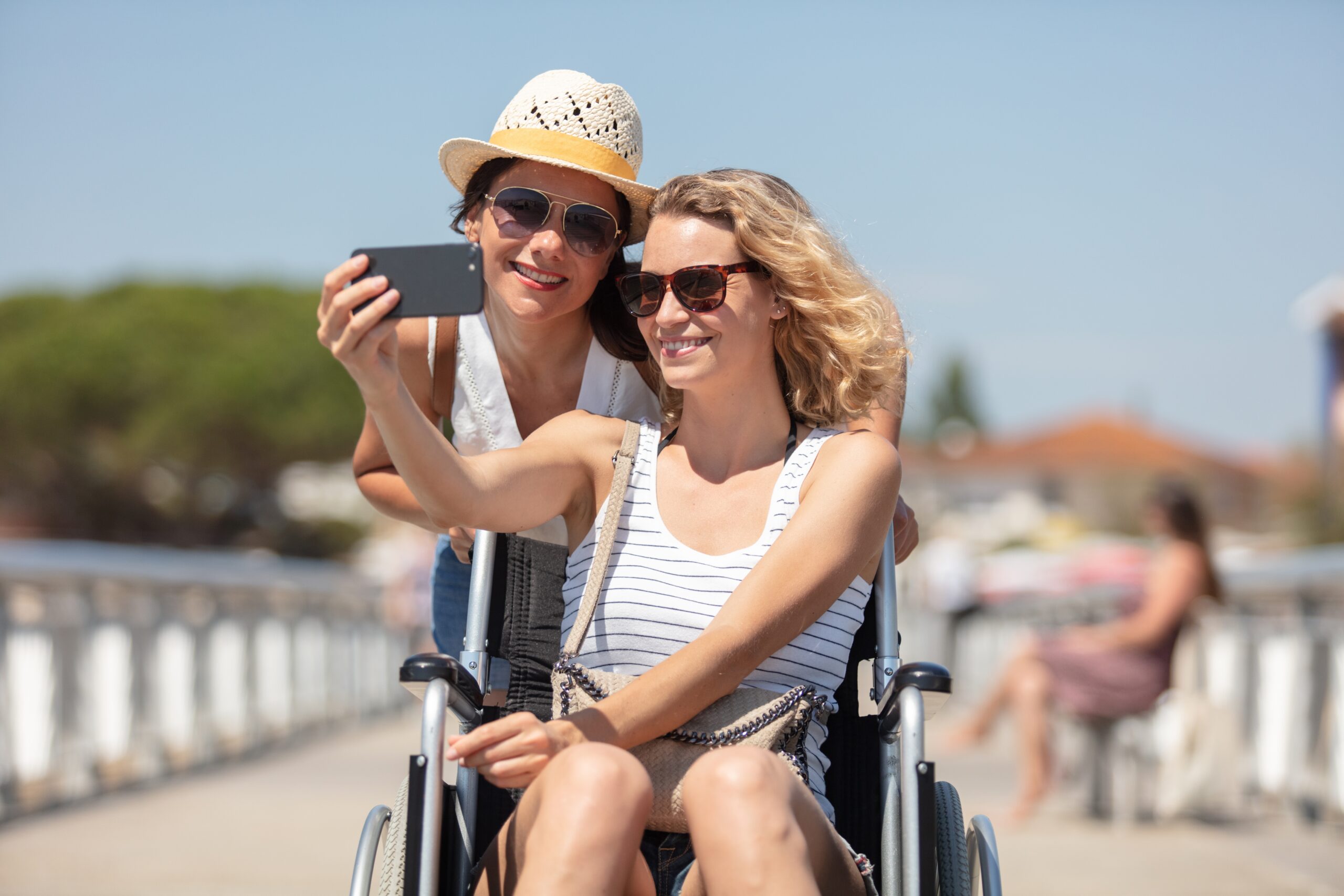
Hello and welcome to Accessibletravelling.com
Welcome to Accessibletravelling.com
Hi, I’m Jane — and I created Accessible Travelling because I believe travel should never feel impossible just because you’re disabled.
After experiencing first-hand how overwhelming travel can be when you have mobility challenges, invisible disabilities, or complex health needs, I realised something important…
The world isn’t always inaccessible — it’s often just poorly explained.
That’s why this platform exists.
Accessible Travelling is here to give you clear information, honest advice, practical checklists, and real-world guidance so you can travel with confidence — not anxiety.
Whether you use a wheelchair, live with chronic illness, travel with an assistance animal, or simply need more support than the average travel website provides — you are welcome here.
Here you’ll find:
- Honest accessibility breakdowns
- Travel rights guidance
- Packing lists tailored to real conditions
- Cruise and airport accessibility insights
- Confidence-building resources
Travel should feel empowering — not exhausting and I’m here to help you make that happen.
“My goal is to become a trusted voice in accessible tourism and advocate for better standards worldwide.”
Accessible Cruises
What is an Accessible Cruise
Accessible cruises means a cruise experience that’s planned and delivered so disabled passengers (wheelchair users, people with limited mobility, sensory needs, chronic illness, invisible disabilities, and those travelling with carers/assistance animals) can use the ship and take part in the holiday with dignity, safety, and as much independence as possible.
It’s also important to say this clearly: a cruise can be “accessible” on the ship but not fully accessible in every port. The ship is the controlled environment; ports and excursions vary wildly.
Ship Accessibility
What an “accessible cruise” usually includes:
1. Ship accessibility (the part cruise lines control best)
What you can generally expect on a modern mainstream ship:
- Step-free routes across most public areas (lifts/elevators, ramps).
- Accessible cabins with wider doors, turning space, roll-in shower (sometimes), grab
rails, shower chair/bench (may be fixed or supplied), and emergency features. - Accessible public toilets on multiple decks (not always every deck).
- Wheelchair spaces in theatres/venues (often limited book early).
- Dining access (table spacing varies; staff can usually relocate you to a better table).
- Pool access can be hit-and-miss: some ships have pool lifts, many don’t; hot tubs often
aren’t accessible. - Priority/assisted boarding and disembarkation when arranged in advance.
- Medical centre onboard (not a hospital; capability varies and can be expensive).
What can still be challenging even on “accessible” ships:
- Narrow pinch points in busy venues, crowded buffet routes, thresholds, heavy doors.
- Some specialty restaurants/venues having a step or awkward layout.
- Limited accessible cabin inventory (sell out fast).
- Storage and manoeuvring space in cabins can be tight depending on ship/class.
2. Service accessibility (the human part)
A truly accessible cruise also depends on staff procedures:
- Clear assistance processes (embarkation, tendering, gangway support).
- A responsive accessibility desk/special needs team.
- Willingness to adjust dining, seating, show entry, and timing.
- Consistency across departments (front desk, housekeeping, shorex, security).
The accessible cabin: what to expect (and what to check)
“Accessible cabin” isn’t one universal standard. Before booking, check:
- Door width (especially bathroom door).
- Bed height and whether it can be adjusted.
- Turning circle beside the bed and in the bathroom.
- Shower type: roll-in vs step-in with grab rails.
- Shower seat: fixed vs provided (request if not fixed).
- Toilet height, grab rail placement, sink clearance (knee space).
- Balcony threshold (some have a lip that blocks wheelchairs).
- Location: midship cabins reduce motion and distance.
Tip for manual wheelchair users: ask about carpet thickness and distance to lifts—those long corridors add up.
Embarkation and Disembarkation
What to Expect
Embarkation day
- You can usually request priority boarding and assistance.
- You may go through security like an airport: plan for battery/medical equipment check sand carry meds in hand luggage.
- Some ports have step-free terminals; older terminals can be cramped with uneven surfaces.
Disembarkation day
- Accessible/assisted disembark often has timed slots.
- If you need a wheelchair from the terminal (not your own), confirm in advance availability varies by port/operator.
Tender Ports
The Big Accessibility Variable
A tender port is where the ship anchors offshore and passengers are ferried to land by small boats (“tenders”) instead of docking at a pier.
What to expect at a tender port
- You must navigate: cabin → lifts → tender staging → gangway→ tender boat → pier/steps/ramp → shore.
- Conditions matter: swell, wind, tide can cause motion and steep angles.
- Tender boats often have narrow doors, steps, or gaps between boat and platform.
Accessibility reality
- Some tender ports are not suitable for wheelchair users, especially for power chairs or users who cannot step/transfer.
- Cruise lines may say “tender is weather dependent” and can deny tendering if it isn’t safe.
What to do
- Ask the cruise line specifically:
- Is the tender wheelchair accessible?
- Do they use a platform lift or assistance crew?
- Can a manual wheelchair be carried safely?
- Are mobility scooters allowed on the tender?
- Have a Plan B: tender ports are where you might choose a ship day.
Tours & Experiences
🟢 Get Your Guide
https://getyourguide.stay22.com/accessibletravelling/iKiLQBLrj2
Best for: activities and tours while traveling
- Book tours, museum tickets, day trips, excursions
- Great for skipping lines or pre-booking experiences
- Strong in Europe and major tourist cities
👉 Think: “what can I do when I arrive?”
Shore Excursions Group
is a third-party cruise excursion company that offers tours in ports around the world, often at lower prices than booking directly through cruise lines. Many cruisers use them for smaller group sizes, private tours, and more flexible excursion options.
Here’s what you should know before booking:
What Shore Excursions Group Offers
- Port tours and sightseeing
- Beach days and resort passes
- Cultural experiences
- Snorkelling, wildlife, and adventure tours
- Private and small-group excursions
- Some mobility-friendly and slower-paced options
They work with local tour operators in each destination rather than operating the tours themselves.
Pros
- Usually cheaper than cruise line excursions
- Often smaller groups than ship tours
- Large variety of excursions
- “Return to Ship Guarantee” on eligible tours
- Easy to search by cruise ship and sailing date
Many cruisers report positive experiences and good value. Some Reddit users mentioned they regularly use the company instead of booking through the cruise line.
Important Things to Consider
Unlike cruise line excursions:
- The cruise ship will NOT wait for you if your tour is delayed
- You usually meet guides outside the cruise port area
- Tour quality can vary because excursions are subcontracted to local operators
- Accessibility standards vary greatly by destination
Some travellers have had excellent experiences, while others reported inconsistent organisation depending on the local provider.
Accessibility Information
If accessibility is important for you or your audience, it’s essential to verify:
- Step-free transport
- Lift-equipped vehicles
- Accessible toilets
- Walking distances
- Terrain (cobblestones, hills, beaches, uneven surfaces)
- Whether mobility scooters or power chairs are accepted
Cruise lines like Royal Caribbean Accessible Shore Excursions, Celebrity Cruises Accessible Shore Excursions FAQ and MSC Accessible Tours specifically outline accessibility levels and adapted transport options. Third-party providers may not always provide this level of detail automatically, so contacting them directly is recommended.
Tips Before Booking
- Read recent reviews carefully
- Avoid excursions with long transfer times if your ship leaves early
- Leave extra time to return to port
- Check cancellation policies
- Confirm accessibility details in writing
- Book early for popular small-group tours
Is It Worth It?
For many travellers, yes — especially if:
- You prefer smaller groups
- Want to save money
- Prefer more unique experiences
- Don’t like large cruise bus tours
However, cruise line excursions may still be safer for:
- Long-distance tours
- Tender ports
- Guests with significant mobility needs
- First-time cruisers wanting simplicity and ship protection
According to cruise travel experts, cruise-line excursions provide more security if delays happen, while independent operators often offer better value and more personalised experiences.
Shore Excursions Group
http://www.shoreexcursionsgroup.com/?id=1916855&data=jane@accessibletravelling.com
Standard Planning Services 50.00 GBP
https://www.paypal.com/ncp/payment/SM2JJCFXW3Q3G
Premium Planning Services 75.00 GBP
https://www.paypal.com/ncp/payment/9N4PGQSXYRKUQ
Shop Premium Cruise Guide 11.99 GBP
Essential travel Planner 12.99 GBP
Buy both bundle 19.99 GBP
NEED HELP VERIFYING YOUR CRUISE?
Shore Excursions
What “accessible” really means
Cruise excursions typically fall into three buckets:
A. Cruise-line excursions & tours (booked through the ship)
Pros:
- Ship waits (within reason) if the tour is delayed.
- More accountability if something goes wrong.
Cons:
- “Accessible” may mean limited walking, not wheelchair accessible.
- Vehicles may still have steps; “coach” often isn’t a lift-equipped bus.
B. Private accessible tours
Pros:
- Best chance of true accessibility (ramp vans, tailored pace, accessible routes).
Cons:
- If delayed, ship may not wait.
- Requires extra planning and contingency.
C. DIY (taxi & public transport)
Pros:
- Flexible, cheaper sometimes.
Cons:
- Accessibility varies widely; curb cuts, surfaces, toilets can be a problem.
- Accessible taxis may be limited in some ports.
What to expect on excursions (common barriers)
- Cobblestones/uneven surfaces in historic centres.
- Steps into attractions.
- “Panoramic” tours with minimal stops (good for fatigue but still may have vehicle access issues).
- Accessible toilets may be scarce.
- Long walking distances disguised as “short”.
Questions to ask before booking any excursion
Use this checklist mindset:
- Is it wheelchair accessible or just “limited walking”?
- Vehicle: ramp/lift? Door width? Securement? Step height?
- Route: surfaces (cobblestone, steep hills), distance, number of steps.
- Time off the vehicle: how long standing/waiting?
- Toilets: accessible toilet stops?
- Attractions: step-free entrance? Elevator working? Any narrow doors?
- Can I bring a companion/carer? Is there a carer fare/seat guarantee?
Gangways, ports, and “accessibility gaps”
Even at docked ports:
- The gangway can be steep at low tide.
- Some ports use temporary ramps with lips/bumps.
- Industrial port areas can be rough: long distances, uneven ground, traffic routes.
Mobility Devices Onboard
Practical Expectations
- Manual wheelchairs: usually easiest.
- Mobility scooters: often allowed but may have restrictions on charging/storage.
- Power chairs: fine, but plan charging and bring extension leads/adaptors.
- Bring a simple repair kit (puncture, Allen keys, tape) and label your equipment.
Assistance Animals and Medical Needs
- Assistance animal policies vary; ports may have country-specific entry rules, paperwork, and quarantine requirements.
- For medical needs: carry meds in original packaging, bring a doctor letter, and plan for refrigeration if needed (confirm mini-fridge availability).
General Rules for Service Dogs on Cruise Ships
What’s Allowed
- Service dogs trained to perform specific tasks for a person with a disability are generally permitted aboard most major cruise lines. Emotional support animals (ESAs), therapy animals, and pets without task-training are usually not allowed.
- Only dogs are recognised as service animals in most policies.
Advance Notification
Most cruise lines require you to inform them well before sailing (often ≥30 days) so they can note your service animal in your booking and prepare any onboard accommodations.
Documentation & Health Requirements
You’ll typically need to provide:
- Up-to-date vaccination records (including rabies) and, in many cases, a health certificate.
- Import permits or port-specific entry documents for the countries the ship visits. This must often be done well in advance — sometimes weeks or months.
Onboard Behaviour & Areas
- Service dogs must be leashed/harnessed and under control in public spaces.
- They are usually not permitted in pools, spas, wet play areas, or food prep areas.
- You are responsible for your dog’s care, feeding and supervision cruise staff generally cannot look after them.
Relief Areas
Some ships provide designated relief areas (e.g., artificial grass patches or sandboxes).
These may be limited, so planning ahead is important.
Ports of Call and Entry Rules
Even if a cruise line accepts a service dog on board, local port regulations might restrict whether the dog can disembark.
- Many countries have their own rabies and quarantine laws, entry permits, or vaccination requirements.
- If rules aren’t met, the dog may have to stay on the ship while you go ashore.
Specific Cruise Line Policies
Royal Caribbean / Azamara
- Welcomes service dogs and does not accept pets.
- Dogs can be in all public areas (except pools/spas), on leash.
- Relief areas provided, and documentation for ports required.
Carnival Cruise Line
Only working service dogs are permitted; no emotional support animals or pets, including training dogs. You must submit health/vaccination records before sailing.
Norwegian Cruise Line
- Accepts service dogs trained to perform tasks.
- Emotional support animals aren’t permitted.
- You must submit vaccination records and health certificates; relief boxes may be provided.
Disney Cruise Line
- Service animals are accepted; must be leashed/controlled.
- Notify the line at least 30 days before sailing.
- You must obtain all required port permits and provide originals.
Virgin Voyages
- Service dogs permitted; not service dogs in training, therapy, or emotional support animals.
- Documentation needed 14+ days before sailing; a relief area is on Deck 7
Other Lines (MSC, Princess, Holland America, etc.)
Most allow service animals but will require documentation and advance notice, and each has specific boarding and port entry rules.
Tips Before Booking or Sailing
👍 Check port requirements early, especially if sailing internationally each country has its own animal entry laws.
🐾 Carry hard copies of all documents (passport, certificates, permits) in case they’re required at embarkation or in port.
📩 Contact the cruise line’s accessibility/special needs department directly when you book to confirm their exact requirements.
Paperwork Needed to Travel with an Assistance Animal
Airline Documentation (Most Common Requirement)
Even where assistance dogs are legally recognised, airlines usually require:
Airline Assistance Animal Form
- Often confirms:
- The dog is trained to perform specific tasks
– The handler has a disability
– The dog is trained to behave in public - Some airlines require submission 48–72 hours before departure
Behaviour & Training Attestation
- Particularly for US-bound flights:
• Confirmation the dog is trained
• Confirmation it can relieve itself hygienically on long flights
Advance Notification
You must usually notify the airline in advance — don’t just show up at the airport.
Veterinary & Health Documents (Border Control Requirements)
These apply even if the dog is an assistance animal.
Microchip
- ISO-compliant microchip
- Must match documentation exactly
Rabies Vaccination Certificate
- Must be valid
- Given after microchipping (in many countries)
Animal Health Certificate (AHC) or International Health Certificate
- Issued by an official vet
- Often required within 5–10 days before travel
- Confirms the animal is fit to fly
Tapeworm Treatment (Some Countries)
- Required for entry into certain countries (e.g., UK rules)
- Must be administered within a specific time window
Proof of Assistance Animal Status
Requirements vary widely by country.
You may need:
- ID card from a recognised training organisation
- Letter confirming training
- Accreditation (in countries with formal certification systems)
- Harness/vest (not legally required everywhere, but helpful)
⚠️ Important:
Many countries do not recognise Emotional Support Animals (ESAs) as assistance animals for air travel.
Additional Documents (Country-Specific)
Some destinations may require:
- Import permit (e.g., strict biosecurity countries)
- Pre-approval before travel
- Quarantine booking (if applicable)
- Proof the dog comes from an approved country list
What Changes Depending on Where You Travel?
🇺🇸 USA
- Airlines follow federal transport rules
- Service dogs only (ESAs not recognised for flights)
- DOT forms commonly required
🇬🇧 UK
- Pet Travel Scheme rules apply (even for assistance dogs)
- Tapeworm treatment required for entry
- Must enter through approved routes
🇪🇺 EU
- EU Pet Passport (if issued within EU)
- Or Animal Health Certificate if travelling from outside EU
🇦🇺 AU / 🇳🇿 NZ
- Extremely strict biosecurity
- Long preparation timelines
- Import permits required
Hidden Airport Accessibility Services People Don’t Know About
Gate-to-Gate Assistance
Most people think assistance is just wheelchair support — but you can request:
- Help from car park or drop-off point
- Assistance through check-in and security
- Escort to shops/restaurants
- Priority boarding
- Support during transfers
You don’t have to be a wheelchair user to request this.
Hidden Disability Lanyards
Available at many airports worldwide:
- Signals you may need extra time or support
- Useful for autism, POTS, brain injury, anxiety, chronic pain
- Often includes a discreet assistance card.
Sensory / Quiet Rooms
Many airports now offer:
- Low lighting
- Reduced noise
- Calming seating
- Space away from crowds
Perfect for:
- Autism
- PTSD
- Sensory processing disorders
- Migraine conditions
Assistance Through Security
You can request:
- Private screening room
- Seated screening
- Extra time
- Support for medical devices
- Help with medication explanation
You do not need to disclose your full medical history.
Medical Equipment Storage
Airports may assist with:
- Refrigeration for insulin
- Safe storage for medical supplies
- Sharps disposal information
Always check in advance, but it is often available.
Transfer Support Between Terminals
If walking long distances is difficult:
- Request internal airport transport
- Especially useful in large airports
- Ideal for fatigue conditions (MS, fibromyalgia, long COVID)
Early Boarding Without “Priority Status”
You do NOT need business class.
Passengers with medical or hidden disabilities can often:
- Board early
- Settle medication
- Arrange seating calmly
Help with Assistance Dogs
Airports can provide:
- Relief areas
- Escort through security
- Priority screening
Help During Delays
If stranded:
- Accessible seating areas
- Staff welfare support
- Charging for medical equipment
- Support rebooking flights
Transfer Support Between Terminals
At major hubs:
- Buggy transport
- Dedicated assistance lanes
- Staff escorts for tight connections
Airline Pre-Board Medical Briefing
You can ask cabin crew to:
- Be aware of your condition
- Check on you mid-flight
- Store medication safely
Sunflower-Friendly Retail & Staff
Some airports train:
- Shop staff
- Security
- Gate agents
To recognise hidden disability signals and respond appropriately.
Important Reminder
You do NOT need to:
- Be visibly disabled
- Provide full medical proof
- Feel guilty for asking
Assistance exists to make travel safer and more equal.
Travel Checklist
Before booking:
- Confirm your dog qualifies under airline definition
- Check airline-specific forms
- Confirm destination import rules
4–8 weeks before travel:
- Check vaccination validity
- Confirm microchip details
- Apply for permits if required
7–10 days before travel:
- Obtain official health certificate
- Submit airline paperwork
Day of travel:
- Carry originals (not just digital copies)
- Keep documents accessible in hand luggage
⚠️ Biggest Mistakes People Make
- Assuming assistance animals bypass border rules
- Not checking transit country requirements
- Forgetting tapeworm timing windows
- Assuming ESA = service dog internationally
- Failing to submit airline forms in time
Realistic summary: what accessible cruises means in practice
An accessible cruise typically offers:
- An accessible ship environment, plus
- Some accessible processes, plus
- Variable port access, especially at tender ports.
So the “accessible” part is strongest onboard, and weakest in ports—unless you plan carefully
A quick “what to expect” by scenario
- Docked port + accessible excursion: best-case, most predictable.
- Docked port + DIY: workable with research and a backup plan.
- Tender port + wheelchair user: highest risk; may become a ship day.
- Tender port + limited mobility: possible but depends on steps, stability, sea conditions.
Accessible Cruise Cabins
What is an Accessible Cruise Cabin?
An accessible cruise cabin (sometimes called wheelchair-accessible, ADA cabin, or accessible stateroom) is a cabin designed to make moving around and using the bathroom safer and easier for people with mobility needs. On newer ships these can be excellent—but the exact features vary a lot by cruise line and even by ship, so it’s worth checking everything in writing.
What an accessible cruise cabin usually includes:
More space & better layout
- Wider doorways (often automatic or lighter to open)
- More turning space for a manual chair/power chair/scooter
- Clear paths around the bed and to the balcony (if there is one)
- Lowered closet rail / shelves, reachable safe, accessible controls (varies)
Accessible bathroom
- Roll-in shower or step-free shower (some are “low-threshold” rather than true roll-in)
- Fold-down shower seat (or ability to request one)
- Grab bars by the toilet and in the shower
- Handheld shower head
- Sink clearance to roll under (sometimes)
- Emergency call button (on many ships)
Safety/comfort features (often available on request)
- Visual alarms/doorbell (for deaf/HOH guests) on some ships/cabins
- Bed risers removal / bed height adjustments (limited by ship)
- Option for a shower chair, commode, or transfer bench (usually via request)
What to check with the cruise line (ask these before you book):
These are the questions that prevent 90% of onboard accessibility surprises:
1. “Is it fully wheelchair accessible or just ‘adapted’?”
Ask them to confirm in writing whether the cabin is:
- Roll-in shower vs shower with a step/ledge
- Door width (cabin door + bathroom door)
- Turning radius inside cabin and bathroom
2. Bed access and transfer practicality
- Can you get a wheelchair alongside both sides of the bed, or only one?
- Can the bed be split into twins (often helps with transfers and space)?
- What is the bed height from floor to top of mattress?
- Is there room for a hoist if you use one? (Many lines can’t provide hoists, but you can bring/arrange one through a medical equipment provider.)
3. Bathroom specifics (this matters most)
- True roll-in shower dimensions?
- Shower seat: built-in fold-down or portable available?
- Toilet height and grab bar placement (one side or both)?
- Is the sink roll-under?
- Any lip/threshold into bathroom or shower?
4. Balcony access (if you want a balcony)
Accessible balcony cabins are great—unless:
- There’s a threshold/lip at the balcony door
- The balcony is too tight to turn around
Ask:
- Is it step-free to the balcony?
- What is the threshold height, and is there a small ramp?
5. Cabin location (quiet vs convenient)
Accessible cabins are sometimes in specific areas:
- Near elevators (good for mobility; can be noisy)
- Under venues/pool deck (can be loud)
Ask:
- “Is this cabin under a public venue or high-traffic area?”
- “How far is it from elevators and the accessible route to dining/theatre?”
6. Ship-wide accessibility (the cabin is only one piece)
- Ask the cruise line to confirm:
- Are all decks connected by elevator? (Some ships have tricky deck changes)
- Any steps to main dining rooms, buffet, theatre seating, pool areas?
- Accessible route to the gangway for embark/disembark?
- Tender ports: can you tender with a wheelchair? (Often “not guaranteed” due to
sea conditions)
7. Mobility equipment rules (very important)
- Are scooters allowed in the cabin? (Usually yes, but size limits exist)
- Can you charge a power chair/scooter in the cabin? (Usually yes)
- Extension leads: many lines ban non-marine power strips. Ask what’s allowed.
- Confirm the ship can accommodate your battery type (especially lithium rules).
8. Assistance and emergency procedures
- Can they provide embark/disembark assistance?
- What’s the emergency plan for guests who can’t use stairs?
- If you need a carer, do they require the carer to be in the same cabin?
9. Medical needs & supplies
- Fridge for medication (is it free / guaranteed?)
- Sharps disposal, oxygen policy, CPAP use
- Dialysis / medical centre capability if relevant
- Can they store delivered equipment? (many allow delivery of mobility aids to the port)
10. “Accessible cabin” inventory and price protection
Accessible cabins sell out first.
Ask:
- “Is this cabin guaranteed as accessible, or could it be changed?”
- “If you move us, will you keep equivalent accessibility features?”
- “If we need an accessible cabin type, can you put a note on the booking that prevents reassignment?”
Quick checklist you can copy/paste to send the cruise line
- Cabin number + ship name + sailing date
- Door widths (cabin + bathroom): ____
- Shower type: roll-in / low-threshold / step-in
- Shower seat: built-in / provided / not available
- Toilet grab bars: one side / both sides
- Bed clearance both sides? Y/N
- Bed height: ____ cm/in
- Balcony threshold step-free? Y/N (height: ____)
- Elevator access to all public decks? Y/N
- Tender policy for wheelchair users?
- Scooter/power chair size limits + charging policy
- Emergency assistance process for mobility-impaired guests
Option A — Best overall Top 5 (works well in both USA + Europe, and for wheelchair/scooter users)
These are the lines I would shortlist first when someone says: “I want the smoothest, most reliable accessibility experience.”
- Royal Caribbean – strongest “big ship” accessibility ecosystem; detailed accessible stateroom features and planning guides.
- Celebrity Cruises – excellent premium option; dedicated support info for blind/low vision (Braille in public areas/elevators) and clear service-dog policy.
- Norwegian Cruise Line (NCL) – very clear process and deadlines; also, very transparent about tender limitations (important for mobility).
- MSC Cruises – great for Europe/Mediterranean, plus “Easy & Accessible” excursions with ramp/lift vehicles (availability varies by port).
- Virgin Voyages (adults-only) – often a good modern pick if you want an “easy layout + newer ship feel” and do not need kids/family programming. (Virgin sources were not in the results from this browse set; if you want, I will re-check their latest accessibility cabin specs next.)
Option B — UK + Europe focused Top 5 (best if you will cruise Med/Norway/Canaries/Baltics)
- MSC Cruises – strongest “Europe-first” footprint and they explicitly run “Easy & Accessible” tours using ramp/lift vehicles.
- Celebrity Cruises – premium Europe itineraries + noticeably clear sensory/visual support and service-dog policy.
- Royal Caribbean – lots of European sailings; very detailed accessible stateroom information and planning guide.
- Norwegian Cruise Line (NCL) – good Europe coverage; just be mindful of tender ports (they warn you you may not be able to go ashore).
- (If you want classic/UK-style cruising) Cunard / P&O can be strong fits depending on ship + itinerary — but I did not pull their latest official accessibility pages in this web pass, so I am not citing specifics here.
Option C — “Easiest mobility cruise” Top 5 (if tender ports are a dealbreaker)
Tendering is where many wheelchair/scooter travellers get caught out. NCL states plainly that tendering/gangways may not be accessible and you might not be able to go ashore.
So, for the easiest experience, I would prioritise:
- Royal Caribbean (newer ships + dock-heavy itineraries)
- Celebrity (newer ships + dock-heavy itineraries)
- MSC (choose port-intense Med routes with minimal tendering; use their accessible excursions where available)
- Disney (if family travel; very structured support) (not in today’s browse set; can verify next)
- Holland America / Princess (not in today’s browse set; can verify next)
The exact questions to ask a cruise line (copy/paste checklists)
Use these before paying a deposit:
Cabin & bathroom (most important)
- “Is this cabin fully wheelchair accessible or ambulatory accessible (walk-in shower but not roll-in)?”
- “Is the shower true roll-in with fold-down seat and grab bars?” (Royal Caribbean describes roll-in showers + grab bars + fold-down seats in their accessible guides.)
- “What is the door width (cabin + bathroom) and turning space?” (Royal Caribbean notes accessible staterooms have wider doors; details vary by ship.)
Mobility device practicalities
- “Can my scooter/wheelchair be stored inside the cabin and can it charge safely?”
- “Are there any restricted areas onboard for mobility devices?”
Shore days (where trips go wrong)
- “Which ports on this itinerary are tender ports?” (NCL warns tendering may require steps and could mean you cannot go ashore.)
- “Do you offer accessible excursions with ramp/lift vehicles?” (MSC says their Easy & Accessible excursions use vehicles with ramp or lift.)
Hearing/vision/service dog
- “Do you have visual/hearing assistance and what’s provided onboard?” (Celebrity references Braille in public areas/elevators.)
- “Are service dogs accepted and what paperwork is required?” (Celebrity explicitly welcomes service dogs and clarifies they do not accept emotional support animals as service animals.)
Timing (do not miss deadlines)
- “What is your deadline for accessibility requests?” (NCL recommends contacting the
Access Desk ~45 days for most needs and ~90 days for interpreters.) - “What forms do I need to submit and when?” (MSC asks guests to inform them via form
and send documentation within their stated timeframes.)
Accessible Cruise Cabin Arrival Checklist For Disabled Travellers
Use this checklist as soon as you enter your accessible cabin to make sure everything is safe, comfortable, and truly accessible.
Cabin Entrance
☐ Door is wide enough for wheelchair or mobility aid
☐ Door opens easily and is not too heavy
☐ No raised step or lip blocking entry
☐ Enough turning space just inside the cabin
Bathroom Accessibility
☐ Roll-in or step-free shower
☐ Shower seat installed or available
☐ Grab rails near toilet and shower
☐ Hand-held shower head
☐ Sink and mirror at accessible height
☐ Enough space to turn a wheelchair
Cabin Controls
☐ Light switches reachable
☐ Air conditioning controls reachable
☐ Telephone accessible from bed or wheelchair
☐ Emergency alarm cord working in bathroom
☐ Curtains or blinds easy to operate
Cabin Layout
☐ Enough space to turn wheelchair comfortably
☐ Clear path between bed and bathroom
☐ Furniture not blocking access
☐ Easy movement around the cabin
Bed Accessibility
☐ Bed height suitable for transfers
☐ Enough space beside bed for wheelchair
☐ Bed accessible from preferred transfer side
Balcony (If Applicable)
☐ Door wide enough for wheelchair
☐ Step-free or low threshold access
☐ Enough space to turn wheelchair on balcony
Storage and Safety
☐ Wardrobe accessible
☐ Safe reachable
☐ Important items stored within easy reach
Medical Needs
☐ Medication stored safely
☐ Fridge available if medication requires refrigeration
☐ Medical equipment safely positioned
Speak to Your Cabin Steward
☐ Introduce yourself and explain any accessibility needs
☐ Request shower chair if needed
☐ Ask for furniture adjustments if necessary
☐ Request extra towels or bedding if required
Report Any Problems Immediately
☐ Contact Guest Services if anything is not accessible
☐ Request repairs or adjustments early on embarkation day
✅ Tip: Embarkation day is the best time to fix accessibility issues because maintenance teams and accessibility staff are available.
Accessible Cruise Line Comparison Guide
Important: Accessibility varies by ship, cabin type, itinerary, and refurbishment date. Always verify details directly with the cruise line before booking.
Quick Comparison Table
| Cruise Line | Wheelchair Accessibility | Accessible Cabins | Dietary Needs | Hidden Disabilities Support | Excursions | Best For |
|---|---|---|---|---|---|---|
| Royal Caribbean | Excellent | Excellent | Excellent | Good | Good | Families & active travellers |
| Celebrity Cruises | Excellent | Excellent | Excellent | Good | Good | Premium cruising |
| Princess Cruises | Very Good | Very Good | Excellent | Good | Moderate | Relaxed cruising |
| Holland America | Very Good | Excellent | Excellent | Moderate | Moderate | Older travellers & longer voyages |
| Norwegian Cruise Line | Very Good | Very Good | Excellent | Moderate | Good | Flexible cruising |
| MSC Cruises | Good | Good | Good | Developing | Moderate | Budget-friendly Europe cruises |
| P&O Cruises | Good | Good | Excellent | Moderate | Moderate | UK travellers |
| Cunard | Good | Good | Excellent | Moderate | Limited | Traditional luxury cruising |
| Disney Cruise Line | Excellent | Excellent | Excellent | Excellent | Good | Families & neurodivergent travellers |
| Virgin Voyages | Very Good | Very Good | Excellent | Good | Moderate | Adults-only cruising |
Royal Caribbean
Strengths
✅ Large number of accessible cabins
✅ Strong wheelchair accessibility
✅ Good lift access
✅ Pool lifts on many ships
✅ Accessible entertainment seating
Considerations
⚠️ Some older ships have tighter cabin layouts
⚠️ Tender ports can restrict wheelchair users
Best For
Families, wheelchair users, mobility scooters, active travellers
Celebrity Cruises
Strengths
✅ Spacious accessible cabins
✅ Excellent accessible bathrooms
✅ Strong staff training
✅ Good dietary support
✅ Premium experience
Considerations
⚠️ Higher price point
⚠️ Some excursions remain inaccessible
Best For
Wheelchair users seeking a premium experience
Princess Cruises
Strengths
✅ Good accessible cabin selection
✅ Excellent dietary accommodations
✅ Helpful accessibility team
✅ Strong destination variety
Considerations
⚠️ Some ships have longer walking distances
⚠️ Tender ports remain a challenge
Best For
Relaxed cruising and destination-focused travellers
Holland America Line
Strengths
✅ Excellent accessible cabins
✅ Strong wheelchair access
✅ Good service reputation
✅ Helpful for reduced mobility guests
Considerations
⚠️ Older demographic
⚠️ Fewer family activities
Best For
Longer cruises and mature travellers
Norwegian Cruise Line (NCL)
Strengths
✅ Freestyle dining
✅ Good accessibility support
✅ Wide range of itineraries
✅ Accessible entertainment seating
Considerations
⚠️ Ship layouts can be complex
⚠️ Some accessible cabins sell out quickly
Best For
Travellers wanting flexibility
MSC Cruises
Strengths
✅ Competitive pricing
✅ Accessible cabins available
✅ Growing accessibility improvements
✅ Strong Mediterranean coverage
Considerations
⚠️ Accessibility standards can vary between ships
⚠️ Excursion accessibility varies significantly
⚠️ Verify all accessibility details before booking
Best For
Budget-conscious travellers
P&O Cruises
Strengths
✅ UK-focused support
✅ Good dietary accommodations
✅ Accessible cabins available
✅ No flying required for many UK sailings
Considerations
⚠️ Accessibility varies between ships
⚠️ Some older ships have limitations
Best For
UK travellers seeking convenience
Cunard
Strengths
✅ Excellent service
✅ Formal traditional cruising
✅ Accessible cabins available
Considerations
⚠️ Fewer accessible shore excursions
⚠️ More traditional atmosphere
Best For
Luxury and transatlantic voyages
Disney Cruise Line
Strengths
✅ Excellent accessibility reputation
✅ Strong autism support
✅ Excellent dietary accommodations
✅ Good sensory awareness
✅ Accessible entertainment and attractions
Considerations
⚠️ Premium pricing
⚠️ Limited fleet size
Best For
Families and neurodivergent travellers
Virgin Voyages
Strengths
✅ Modern ship design
✅ Good accessible cabin layouts
✅ Adults-only environment
✅ Excellent dietary options
Considerations
⚠️ Smaller accessible cabin inventory
⚠️ Limited ship selection
Best For
Adults seeking a modern cruise experience
Things Every Disabled Traveller Should Check Before Booking
Cabin
☐ Door width
☐ Turning space
☐ Roll-in shower availability
☐ Shower seat provided
☐ Grab rails installed
☐ Toilet transfer space
☐ Bed height
☐ Balcony threshold
Ship
☐ Pool lift available
☐ Accessible public toilets
☐ Lift locations
☐ Accessible dining
☐ Accessible theatre seating
☐ Medical centre access
Shore Excursions
☐ Step-free transport
☐ Accessible toilets
☐ Terrain suitability
☐ Walking distance
☐ Tender port restrictions
My Overall Recommendations
🥇 Best Overall Accessibility: Royal Caribbean & Celebrity Cruises
🥇 Best for Wheelchair Users: Celebrity Cruises
🥇 Best for Families: Disney Cruise Line
🥇 Best for UK Travellers: P&O Cruises
🥇 Best Budget Option: MSC Cruises
🥇 Best Premium Experience: Celebrity Cruises
🥇 Best Traditional Luxury: Cunard
Accessibility Disclaimer
Cruise accessibility can vary significantly between ships, cabins, ports, and excursions. Always verify accessibility requirements directly with the cruise line before booking. Information is provided as general guidance only.
AccessibleTravelling.com – Helping Disabled Travellers Avoid Accessibility Surprises Before They Book.♿🌍
Cruise Medical Centre Guide
What Cruise Ship Medical Centres Can and Cannot Do
Cruise ship medical centres are an important safety resource, but they are not hospitals. They are designed to provide routine medical care, assess illnesses and injuries, stabilise emergencies, and arrange transfer to shoreside medical facilities when necessary.
Medical facilities, equipment and services vary between cruise lines and individual ships.
What Cruise Medical Centres Can Usually Treat
Most cruise medical centres can assist with:
Minor Illnesses
✅ Colds and flu-like symptoms
✅ Ear infections
✅ Urinary tract infections (UTIs)
✅ Gastrointestinal illness
✅ Food poisoning
✅ Mild allergic reactions
✅ Seasickness and motion sickness
Minor Injuries
✅ Cuts and wounds
✅ Burns
✅ Sprains and strains
✅ Bruising
✅ Minor falls
Medical Monitoring
✅ Blood pressure checks
✅ Blood sugar monitoring
✅ Oxygen saturation monitoring
✅ ECG monitoring (on many ships)
✅ Basic laboratory testing (varies by ship)
Emergency Care
✅ Chest pain assessment
✅ Cardiac emergency stabilisation
✅ Stroke recognition and initial treatment
✅ Severe allergic reactions
✅ Breathing difficulties
✅ Serious injury stabilisation
Other Services
✅ IV fluids for dehydration
✅ Some prescription medications
✅ Basic X-rays on many larger ships
✅ Wound care and dressings
What Cruise Medical Centres Cannot Usually Provide
Cruise medical centres are not equipped to provide full hospital services.
They generally cannot provide:
❌ Major surgery
❌ Intensive care unit (ICU) treatment
❌ Complex specialist treatment
❌ Long-term inpatient care
❌ Comprehensive diagnostic testing
❌ Cancer treatment
❌ Ongoing dialysis treatment
❌ Advanced neurological care
❌ Long-term respiratory support
❌ Complex mental health treatment
If a passenger requires treatment beyond the capabilities of the ship’s medical centre, the medical team may recommend or require transfer to a shoreside hospital.
Prescription Medication Limitations
Many travellers assume cruise ships can replace lost medication.
This is not always the case.
Cruise medical centres may carry a limited range of commonly prescribed medications, but availability cannot be guaranteed.
Before You Travel
Carry:
☐ Enough medication for the entire trip
☐ Extra medication for delays
☐ Original pharmacy packaging
☐ Copies of prescriptions
☐ A medication list
☐ A doctor’s letter if appropriate
Do not rely on the ship’s medical centre to replace lost, forgotten or specialist medication.
Oxygen Users
If you use oxygen, contact the cruise line before booking.
Important Points
✅ Most cruise lines require advance notification
✅ Medical clearance may be required
✅ Oxygen cylinders may require approval
✅ Portable oxygen concentrators are often permitted
✅ Airlines and cruise lines may have different rules
Before Travelling
☐ Confirm cruise line requirements
☐ Confirm airline requirements
☐ Carry prescriptions and medical paperwork
☐ Bring sufficient supplies
☐ Prepare for possible travel delays
CPAP, BiPAP and Medical Equipment
Most cruise lines permit:
✅ CPAP machines
✅ BiPAP machines
✅ APAP machines
✅ Nebulisers
✅ Oxygen concentrators
Important
You are generally responsible for bringing:
☐ Machine
☐ Tubing
☐ Masks
☐ Filters
☐ Spare supplies
☐ Extension leads if permitted
☐ Distilled water if required
Do not assume replacement equipment will be available onboard.
Travel Insurance Is Essential
Medical treatment onboard is private healthcare and charges apply.
Travel insurance should include:
✅ Medical expenses
✅ Pre-existing conditions (if applicable)
✅ Emergency evacuation
✅ Repatriation
✅ Cruise-specific cover
✅ Cancellation and curtailment cover
Important
- Always declare pre-existing medical conditions.
- Failure to disclose relevant medical conditions may affect insurance coverage.
Typical Costs
Medical treatment onboard can be expensive.
Charges may apply for:
- Medical consultations
- Nursing care
- Medications
- Laboratory tests
- X-rays
- IV fluids
- Observation and monitoring
Costs vary significantly between cruise lines, ships and countries.
Always keep copies of receipts and medical reports for insurance claims.
Emergency Evacuation At Sea
In serious situations, the ship’s doctor may determine that emergency evacuation is necessary.
Depending on location and conditions, evacuation may occur by:
🚁 Helicopter
🚤 Pilot boat
🚢 Transfer to another vessel
⚓ Diversion to the nearest suitable port
🚑 Ambulance transfer once ashore
Important
- Emergency evacuation is not always immediate.
- Weather, sea conditions, distance from shore and local rescue resources can all affect response times.
- Medical evacuation costs can be extremely high, which is why appropriate travel insurance is essential.
Can The Cruise Line Force Me To Leave The Ship?
In some circumstances, yes.
If the ship’s doctor determines that:
- Your condition cannot be safely managed onboard
- You require hospital treatment
- You pose a significant health risk to yourself or others
You may be required to leave the ship for medical treatment.
This decision is made for medical and safety reasons.
Before You Cruise: Medical Checklist
Documents
☐ Travel insurance documents
☐ Emergency contacts
☐ Medication list
☐ Copies of prescriptions
☐ Doctor’s letters
☐ Medical summary
Equipment
☐ CPAP/BiPAP supplies
☐ Oxygen documentation
☐ Chargers and power cables
☐ Spare batteries if required
☐ Mobility aid information
Medication
☐ Sufficient medication for the entire cruise
☐ Extra medication for delays
☐ Original packaging
☐ Medication stored in hand luggage
Key Takeaway
Cruise medical centres are designed to treat routine illnesses, provide emergency care and stabilise serious conditions until further treatment can be arranged. They are not hospitals and cannot provide every treatment or medication.
Travelling with appropriate insurance, sufficient medication, medical documentation and any required equipment can help reduce the risk of problems if you become unwell during your cruise.
Accessibility & Medical Disclaimer
Medical facilities, equipment, staffing and services vary between cruise lines and ships. Information is provided for general guidance only and should not be considered medical advice. Always verify your specific medical requirements directly with the cruise line, your healthcare provider and your travel insurer before booking.
AccessibleTravelling.com – Helping Disabled Travellers Travel With Confidence.